 Pin Recipe
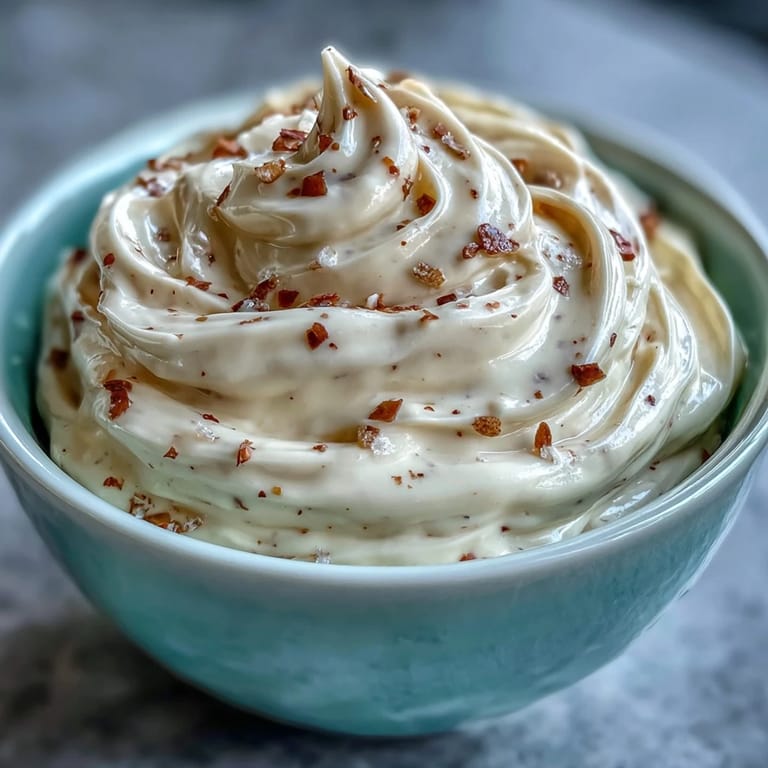
 Whenever I needed a shortcut to creamy satisfaction, I stumbled upon homemade mayonnaise with my immersion blender one hectic weekday. It was the sound—the gentle purr of the blender cutting through eggs and oil—that convinced me something special was happening right in that tall jar. Sometimes I’d watch the swirl transform before my eyes, and it became one of those tiny kitchen victories. A drizzle of lemon juice sent a zing through the air, and suddenly, I was craving everything from potato salad to sandwiches just for an excuse to spoon up fresh mayo. No store-bought jar quite matched how rich and lively it tasted in those moments.
I remember whipping this up for a picnic last spring, when everyone crowded around the cooler waiting for my potato salad. My cousin peeked over my shoulder, surprised at how quickly the mayo came together and asked if I was hiding a trick. The jar was empty before the afternoon ended, and even my picky nephew kept sneaking dollops onto his chips. The leftovers vanished by morning after my sister made scrambled eggs expressly to spoon it on, cementing homemade mayo as the new family standard. That day, I realized this recipe wasn’t just about condiments—it was kitchen camaraderie bottled up.
What's for Dinner Tonight? 🤔
Stop stressing. Get 10 fast recipes that actually work on busy nights.
Free. No spam. Just easy meals.
Ingredients
- Egg (room temperature): Using a room temp egg makes the emulsion stable, and I learned chilling causes separation—always let it come up before blending.
- Dijon mustard: Sharp mustard gives flavor and helps emulsify, and swapping for grainy mustard adds texture if you want a rustic touch.
- White wine vinegar or lemon juice: Either option brings brightness, but lemon makes it more fragrant—sometimes I alternate just for variety.
- Neutral oil: Sunflower or canola keep flavors clean, but olive oil can overwhelm if you aren’t careful—go light for classic mayo.
- Fine sea salt: Salt seasons and balances; skip table salt as it can taste harsh in delicate recipes.
- Freshly ground black pepper (optional): Pepper adds a gentle kick, but skipping it lets mild flavors shine—both ways work if you’re feeling picky.
Instructions
- Get the blender set up:
- Find your tall, narrow blending container that fits the immersion blender snugly, so the ingredients don’t escape when you whizz everything. It’s crucial for that rapid emulsion—wide bowls always frustrate me.
- Layer in the base:
- Add the egg, mustard, vinegar or lemon juice, salt, and pepper directly into the bottom so flavors mingle before the oil hits. You’ll notice the aroma as soon as the vinegar mixes.
- Finish with the oil:
- Pour the oil carefully on top of the other ingredients, and resist the urge to stir you want clear layers for perfect blending.
- Blend from the bottom:
- Push the blender all the way down, then start it and hold steady for about 10 seconds. You’ll see the creamy swirl as the emulsion forms and thickens.
- Move and blend:
- Slowly raise and lower the blender, blending until all of the oil is incorporated and the texture looks glossy and thick—this usually takes under a minute.
- Season and taste:
- Stop to taste with a clean spoon; adjust with a pinch of salt or extra lemon if you want more tang. It’s satisfying to tweak the flavor to your mood.
- Store it up:
- Spoon the finished mayo into a clean jar, seal tightly, and chill in the refrigerator. Use it up within seven days for the freshest flavor.
 Pin Recipe
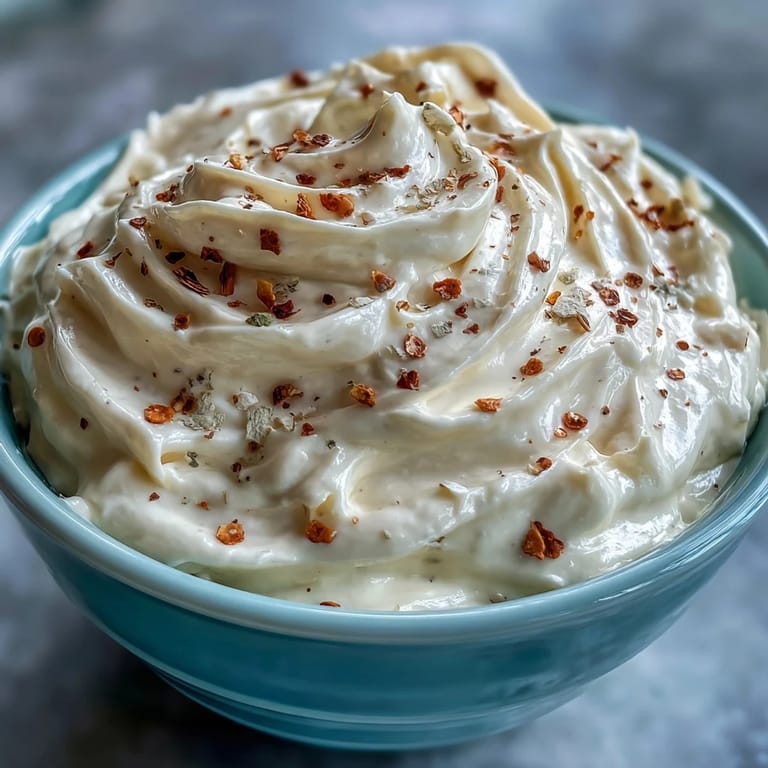
 The first time I served this at a family brunch, the conversation paused as folks dipped roasted vegetables and even spread it on toast. Someone joked that mayonnaise could be the real glue holding our meal together, and laughter rippled across the table. It turned an ordinary condiment into a talking point—suddenly, everyone wanted to know how easy homemade really was. Moments like that make this recipe less about convenience and more about connection. Even weeks later, the memory of those flavors lingered each time I reach for the jar.
No-Stress Mayo Variations
Making mayo at home means I get to experiment—sometimes I add an extra splash of lemon for bite, or a grated garlic clove for instant aioli magic. For a touch of heat, a sprinkle of smoked paprika or cayenne brightens sandwiches. Swapping base oils changes both color and taste, and the mix is flexible enough to handle fresh herbs or chives for a spring vibe. Every batch feels a bit different, and I love playing it by ear depending on what’s for lunch. If you’re feeling daring, toss in a pinch of zest for citrus mayo—perfect for seafood.
Simple Storage and Safety
After a few experiments, I realized the key to keeping mayo fresh is starting with a scrupulously clean jar and lid. Always refrigerate immediately and use within a week, since homemade versions skip preservatives. If you’re worried about raw eggs, opt for pasteurized eggs—they blend just as well and keep the peace at parties. I once tried olive oil mayo for a deeper flavor, but it turned out a bit grassy—just a heads up, choose oils wisely. The fridge keeps it thick and creamy, so don’t let it linger out on the counter.
Troubleshooting: What If Mayo Doesn’t Set?
If your mayo turns out thin or separates, don’t panic—it happens to everyone eventually, even when you swear you followed instructions. To fix, add another teaspoon of mustard or lemon juice and re-blend for thirty seconds, watching it thicken up again. Sometimes just letting everything come to room temp first saves so much stress. I’ve had stubborn batches come together after a second blitz—patience is magic in emulsions. The best lesson: never toss a runny mayo until you’ve given it one more go.
- Warm eggs blend better than cold ones.
- If mayo breaks, start over with an extra egg yolk.
- Always taste before storing—it’s harder to adjust after chilling.
 Pin Recipe
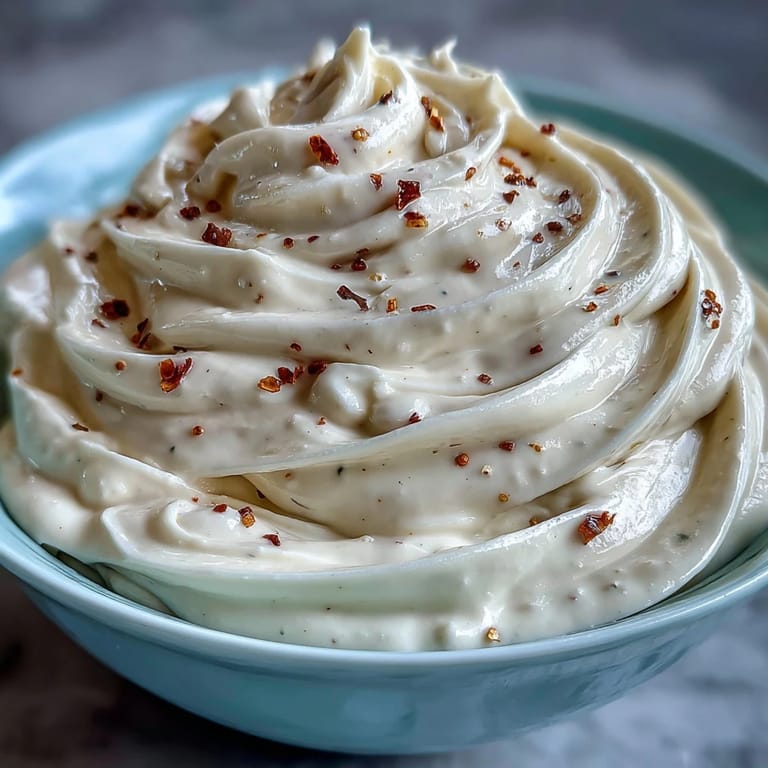
 Mayonnaise feels like a small nod to kitchen confidence—just five minutes and you make something special. Here’s to more quick wins and the joy of homemade flavors on every plate.
Recipe FAQs
- → What oil works best for creamy mayonnaise?
Neutral oils like sunflower, canola, or light olive oil give mayonnaise a smooth texture and mild flavor.
- → Can I use lemon juice instead of vinegar?
Yes, lemon juice or white wine vinegar both provide tang and help with emulsification in mayonnaise.
- → How long does homemade mayonnaise last?
Store in the refrigerator for up to one week, sealed tightly in a jar.
- → Can I add other flavors?
Add garlic for aioli, extra lemon juice for tang, or herbs to personalize your mayonnaise.
- → Is it safe to use raw eggs?
Pasteurized eggs are recommended for safety, especially if you are concerned about consuming raw eggs.
- → What tools are required?
An immersion blender, tall blending container, measuring spoons, and a jar with lid for storage are needed.