 Pin Recipe
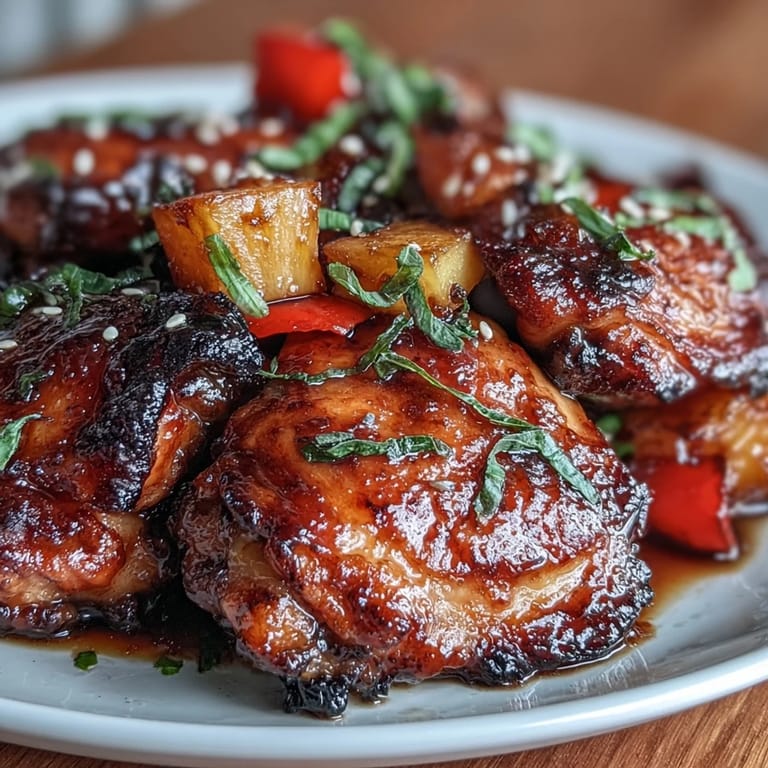
 There's something about the smell of honey and garlic hitting a hot skillet that makes you stop whatever you're doing. I was meal-prepping on a random Tuesday, trying to shake up the usual chicken rotation, when I grabbed a can of pineapple and wondered what would happen if I treated it like a proper ingredient instead of a dessert afterthought. Thirty minutes later, my kitchen smelled like a tropical vacation, and I'd accidentally created something my family actually fought over at dinner.
I made this for my neighbor who'd just moved in, and she ate three servings standing up in my kitchen. We talked about her old job in Singapore while the sauce bubbled away, and she kept saying it reminded her of hawker stalls and street food she missed. That's when I realized this dish has a way of bringing people into the moment, making them feel like they're tasting a memory of somewhere they've been or want to go.
What's for Dinner Tonight? 🤔
Stop stressing. Get 10 fast recipes that actually work on busy nights.
Free. No spam. Just easy meals.
Ingredients
- Boneless, skinless chicken thighs: Four thighs give you enough surface area to get golden and crispy, plus thighs stay tender in a way that breasts dream about; don't skip the thighs just because breasts seem lighter.
- Honey: One-third cup is enough to coat everything without turning into pure sugar syrup; raw honey adds a subtle floral note if you have it.
- Low-sodium soy sauce: Keep it low-sodium so you control the salt level and can taste everything else; regular soy sauce will make this aggressively salty.
- Rice vinegar: Three tablespoons cuts through the richness and keeps the sauce from tasting one-dimensional, which is the secret move most people miss.
- Fresh garlic and ginger: Four cloves minced and a tablespoon of grated ginger wake up your palate; this is not the place to use jarred versions.
- Fresh pineapple chunks: One cup of fresh fruit will caramelize and release its own juice, making the sauce taste alive; canned works in a pinch but drain it well first.
- Bell peppers: One red and one green bell pepper cut into chunks give you color, sweetness, and something to look forward to with each bite.
- Cornstarch: Two tablespoons dusted on the chicken creates a thin, crispy exterior that holds the glaze like it was made for each other.
- Vegetable oil: One tablespoon is enough for searing without making the final dish greasy; use something neutral that won't compete with flavors.
- Green onions and sesame seeds: These garnishes aren't optional; they add brightness and crunch that make you want another bite.
Instructions
- Prep your chicken like you mean it:
- Pat the thighs completely dry with paper towels so they'll sear instead of steam, then season and dust with cornstarch, tapping off the excess so you get a light coating, not a crust.
- Build your sauce ahead:
- Whisk honey, soy sauce, rice vinegar, minced garlic, grated ginger, and sriracha together in a bowl and set it nearby; this gives you one less thing to juggle when things get hot.
- Sear the chicken until it's golden:
- Heat oil in a large skillet over medium-high heat until it shimmers, then add chicken thighs skin-side down and let them sit undisturbed for 3 to 4 minutes until they develop a deep golden crust. Flip and sear the other side for another 3 to 4 minutes, then remove to a plate.
- Caramelize the vegetables:
- In the same skillet with the fond still clinging to the bottom, add bell peppers and pineapple chunks and sauté for 3 to 4 minutes until they develop caramelized edges and smell incredible.
- Bring everything together:
- Return chicken to the skillet, pour the sauce over everything, reduce heat to medium, cover, and simmer for 10 to 12 minutes, turning the chicken once halfway through so the sauce coats evenly. You'll know it's done when the chicken is cooked through and the sauce has thickened enough to coat the back of a spoon.
- Finish with a sticky glaze:
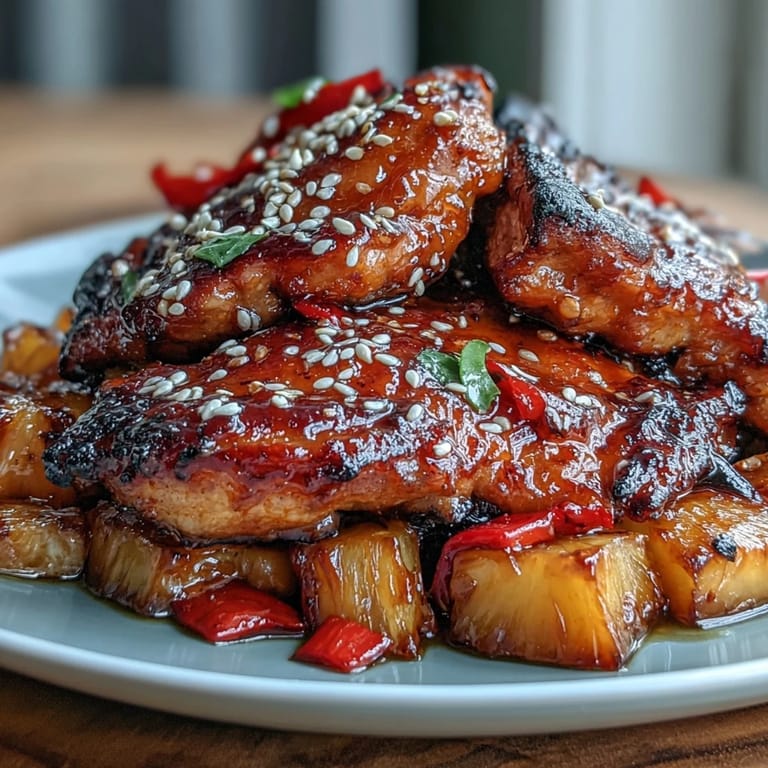
- Uncover the skillet and cook for 2 to 3 more minutes if the sauce still looks thin; you want it glossy and clinging to the chicken like a varnish.
- Plate and celebrate:
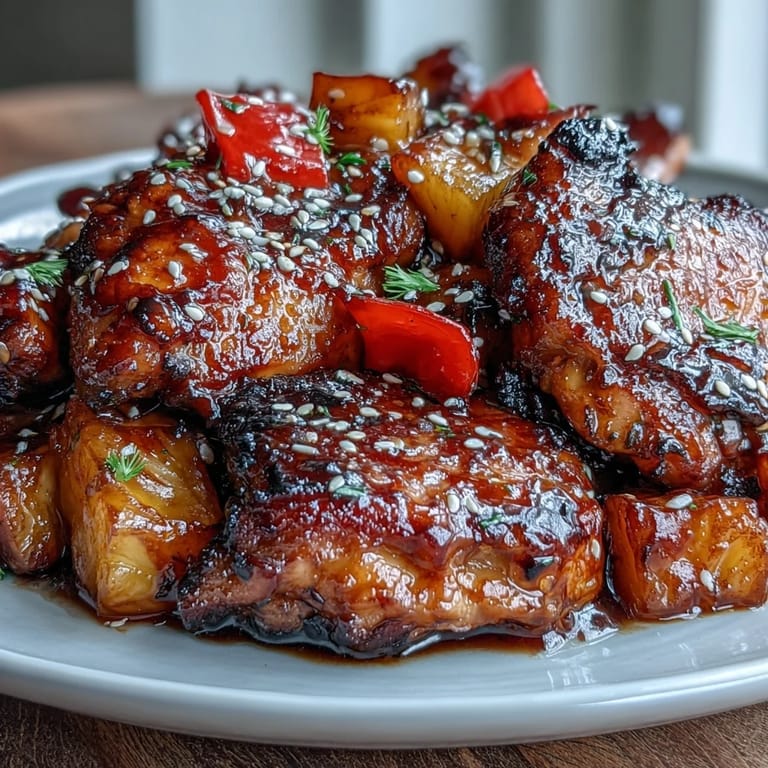
- Top everything with sliced green onions and a sprinkle of sesame seeds, then serve over steamed rice or quinoa while the glaze is still warm and the flavors are singing.
 Pin Recipe
 My daughter asked for this three nights in a row last month, which never happens with anything I make. More importantly, she started asking questions about the ingredients: why garlic tastes different in sauce, why pineapple gets sweeter when it's cooked, why honey matters. Somewhere between the first bite and the third helping, this became less about feeding hungry people and more about them actually caring about what they were eating.
Why Chicken Thighs Win
Chicken breasts are lean and quick, sure, but they're also unforgiving and can dry out if you blink wrong. Thighs have fat content that keeps them tender even when you're simmering them in sauce for 10 minutes, and they have dark meat that actually tastes like something. The first time I made this with breasts instead to save money, I regretted it immediately; they absorbed the sauce but stayed somehow bland, while thighs do the opposite—they get better the longer they sit in the glaze.
The Secret to a Proper Glaze
Most people make a sauce and call it a day, but a real glaze is something else entirely. You want it to start liquid, then as it cooks and reduces, it becomes concentrated and clingy, coating everything it touches. The trick is uncovering the skillet at the end and letting those last few minutes do the work; the heat evaporates excess liquid and leaves behind something thick enough to actually stick around instead of pooling at the bottom of your plate.
Flexibility Without Excuses
This recipe is forgiving in ways that matter, but rigid about things that actually change the outcome. You can absolutely add snap peas, broccoli, or mushrooms without breaking anything; you can use canned pineapple if that's what you have; you can make it entirely gluten-free with tamari. But you can't skip the searing step, you can't use wet chicken, and you can't turn the heat up too high or the sauce will burn before it thickens.
- Jasmine rice is the right choice for soaking up all that glaze; quinoa works too if you want protein on top of protein.
- Serve it immediately while the glaze is still warm and the sesame seeds stay crispy, not soggy.
- Leftovers are good cold the next day, but they taste better gently reheated in a skillet with a splash of water to loosen the glaze.
 Pin Recipe
 This is the kind of dish that feels restaurant-quality but takes less time than delivery would, and somehow that makes it taste even better. Keep it in your rotation for nights when you want to feel like you did something special without actually stressing out.
Recipe FAQs
- → Can I use chicken breasts instead of thighs?
Yes, chicken breasts can be used as a substitute. Adjust the cooking time accordingly to ensure they are cooked through without drying out.
- → What vegetables work well in this dish?
Bell peppers and pineapple are featured for sweetness and crunch, but snap peas or broccoli make excellent additions for extra texture and nutrition.
- → How can I make this dish gluten-free?
Replace low-sodium soy sauce with tamari to maintain flavor while keeping it gluten-free.
- → Is there a recommended way to serve this meal?
Serve hot over steamed jasmine rice or quinoa to balance the rich sauce and tropical ingredients.
- → How do I achieve the sticky glaze texture?
After simmering the sauce with chicken and vegetables, uncover and cook a few more minutes to reduce the sauce until it thickens into a glossy, sticky glaze.