 Pin Recipe
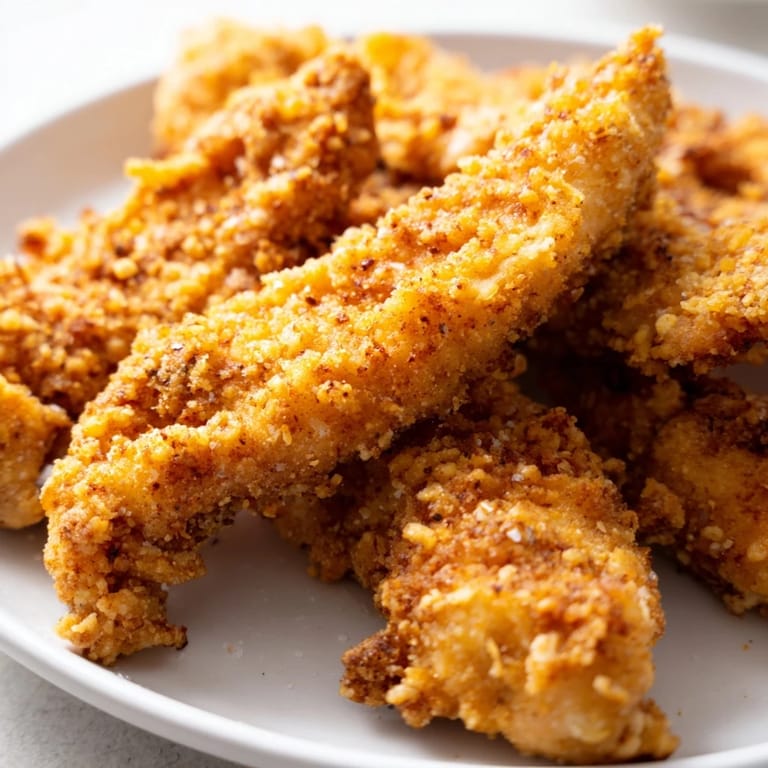
 My mom used to make these chicken tenders on Friday nights, and I'd hover around the kitchen just waiting for that first batch to come out of the oil. The smell would fill the whole house, and I knew within minutes I'd be biting into something impossibly crispy on the outside and tender on the inside. Years later, I realized her secret wasn't some fancy technique but the simple patience of letting buttermilk do its magic. Now when I make them, I understand why she'd always make extra, knowing they'd disappear before dinner even started.
I made these for my best friend's unexpected visit during a rainy afternoon, and we ended up eating them straight off the paper towels while watching the rain. There was something about the contrast of hot, crispy chicken against the gray weather that made the moment feel like its own kind of comfort. She asked for the recipe that same day, and now it's become her go-to when she needs something that feels homemade but doesn't require a lot of fussing.
What's for Dinner Tonight? 🤔
Stop stressing. Get 10 fast recipes that actually work on busy nights.
Free. No spam. Just easy meals.
Ingredients
- Chicken tenders or chicken breasts cut into strips (1.5 lbs): Look for pieces that are roughly the same thickness so they cook evenly. If your breasts are thick, butterfly or pound them down a bit.
- Buttermilk (1 cup): This is the real MVP of this recipe. It tenderizes the chicken while adding subtle tang that balances the richness of frying.
- Salt (1 teaspoon in marinade, 1 teaspoon in coating): Split between the marinade and coating so the seasoning penetrates all the way through.
- Black pepper, garlic powder, onion powder, paprika (in both marinade and coating): These build flavor gradually, so having them in both places matters more than you'd think.
- Cayenne pepper (1/4 teaspoon, optional): Start without it if you're unsure, then add more next time if you want heat.
- All-purpose flour (1.5 cups): This is your structure. Don't skip it or use anything else if you want that satisfying crunch.
- Baking powder (1/2 teaspoon in coating): This secret ingredient creates extra lightness and helps the coating stay crispy longer.
- Vegetable oil for deep frying: You need enough to submerge the chicken about halfway. Don't be stingy here.
Instructions
- Prepare the marinade and coat the chicken:
- Whisk together buttermilk, salt, pepper, garlic powder, onion powder, paprika, and cayenne in a large bowl. Add chicken tenders and turn them gently until completely coated, then cover and refrigerate for at least 2 hours. This waiting period is where the magic happens, so resist the urge to rush it.
- Mix your seasoned flour:
- In a shallow dish, combine flour, salt, pepper, paprika, garlic powder, onion powder, and baking powder. Whisk it together so the baking powder distributes evenly, giving you that light, crispy coating.
- Dredge the chicken:
- Pull one tender from the marinade, let the excess drip off for just a second, then lay it in the flour mixture and press gently so the coating adheres. Flip and coat the other side, then place on a clean plate.
- Heat the oil to the right temperature:
- Pour 2 inches of vegetable oil into a large, deep skillet or Dutch oven and heat it to 350°F. Use a thermometer if you have one, because this temperature matters. Too hot and the coating burns before the chicken cooks; too cool and you get greasy, limp tenders.
- Fry in batches:
- Working with 3 or 4 pieces at a time, carefully place them in the hot oil. Fry for 3 to 4 minutes per side until they're deep golden brown and the internal temperature reaches 165°F. The pan shouldn't be crowded, or the temperature will drop and your chicken will absorb too much oil.
- Drain and serve:
- Transfer the finished tenders to a wire rack or paper towels. Serve while they're still hot and at peak crispiness.
 Pin Recipe
 The moment I realized these were truly good was when my picky eater asked for seconds without being asked. It wasn't just that they tasted right, but that they bridged the gap between restaurant-quality and homemade, which is honestly all any of us want from comfort food.
Getting the Temperature Right
Temperature is everything with fried chicken, and I've learned this through trial and error. If your oil is too hot, the outside browns beautifully but the inside stays cold and raw. Too cool, and you end up with soft, oily tenders that taste more like a sponge than food. The sweet spot at 350°F lets the breading brown and crisp while the chicken cooks through gently. A simple instant-read thermometer costs just a few dollars and makes all the difference in your success rate.
The Marinade Does the Heavy Lifting
Buttermilk might seem like just a liquid to coat the chicken, but it's actually working hard during those hours in the fridge. The acidity gently breaks down the protein fibers, making the meat more tender and helping it retain moisture during frying. This is why overnight marinating is even better than 2 hours, and why skipping this step or rushing it shows immediately in the texture of your finished chicken.
Serving and Storage
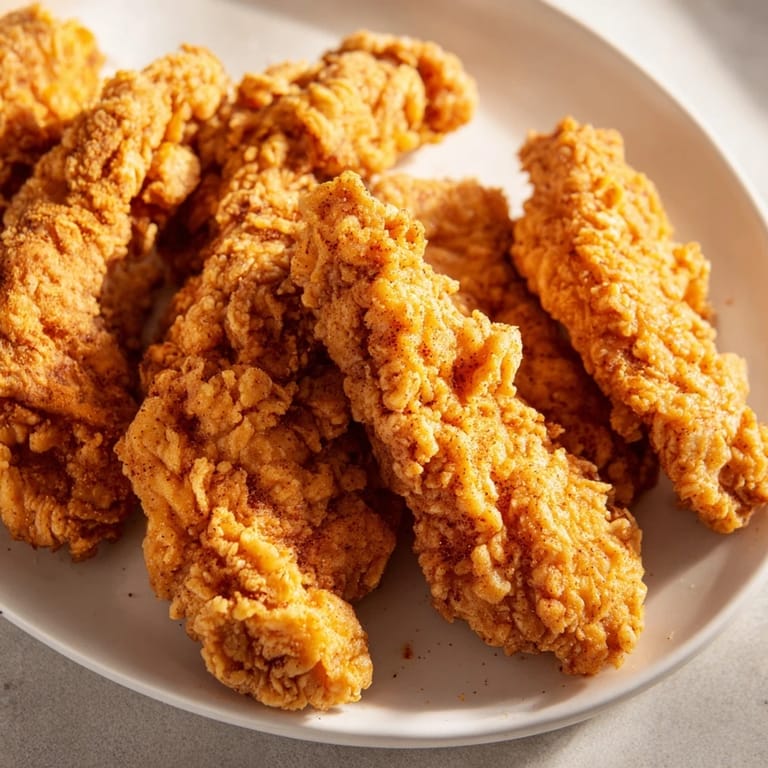
These chicken tenders are best eaten straight out of the pan when the contrast between crispy coating and juicy interior is at its peak. They'll stay good at room temperature for a couple of hours, and you can reheat them in a 350°F oven for about 10 minutes without drying them out too badly. Dipping sauces matter more here than you'd think, so keep honey mustard, ranch, or hot sauce nearby.
- Serve these with a simple coleslaw or roasted vegetables to cut through the richness and round out the meal.
- Leftovers make excellent sandwiches the next day, especially with pickles and a good mayo.
- If you're feeding a crowd, double or triple the batch and keep them warm in a 200°F oven while you fry off the rest.
 Pin Recipe
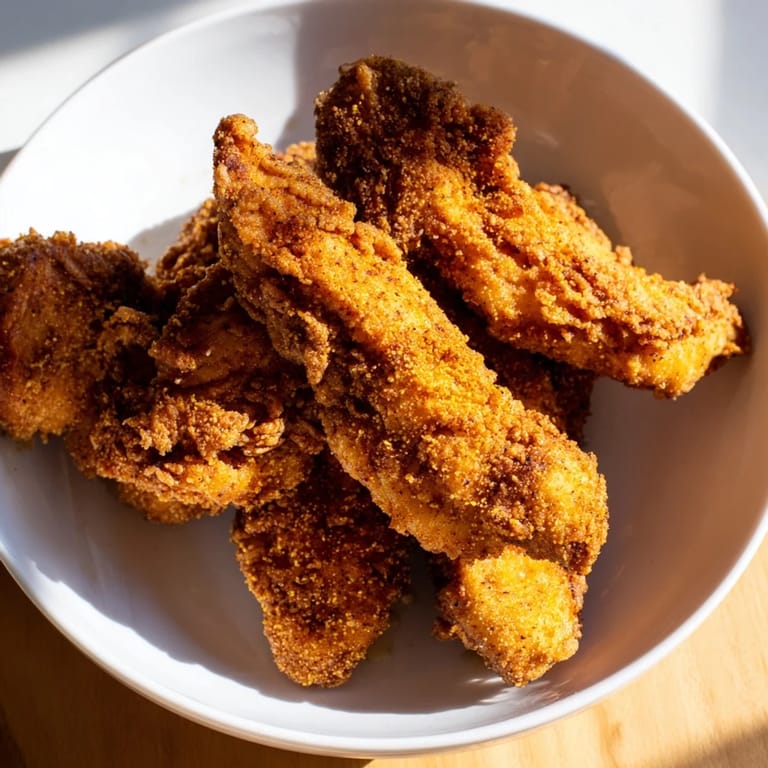
 This recipe reminds me that the best comfort food doesn't need to be complicated, just made with a little patience and care. Once you master this method, you'll find yourself making these chicken tenders far more often than you expected.
Recipe FAQs
- → How long should the chicken marinate?
For optimal flavor and tenderness, marinate chicken tenders for at least 2 hours, or overnight if possible.
- → What type of oil is best for frying?
Use vegetable oil or any neutral oil with a high smoke point to ensure even, crispy frying at 350°F (175°C).
- → Can I make the coating spicier?
Yes, increase cayenne pepper in the marinade or add hot sauce for an extra kick.
- → How do I achieve a crispier crust?
Double dip the chicken by coating it twice with buttermilk and seasoned flour before frying.
- → What are recommended dipping sauces?
Honey mustard, ranch, or spicy sauces complement the fried tenders well.