 Pin Recipe
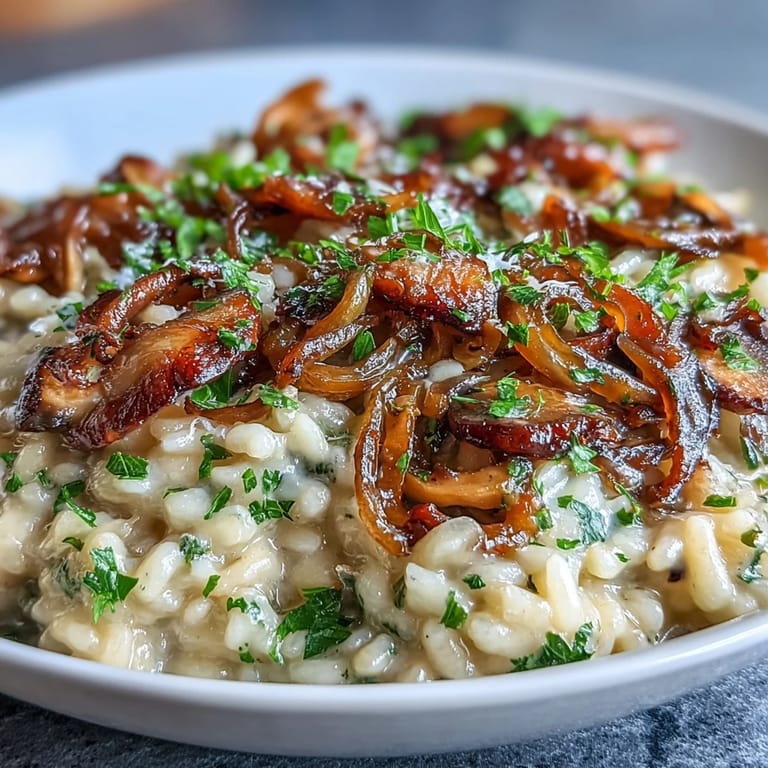
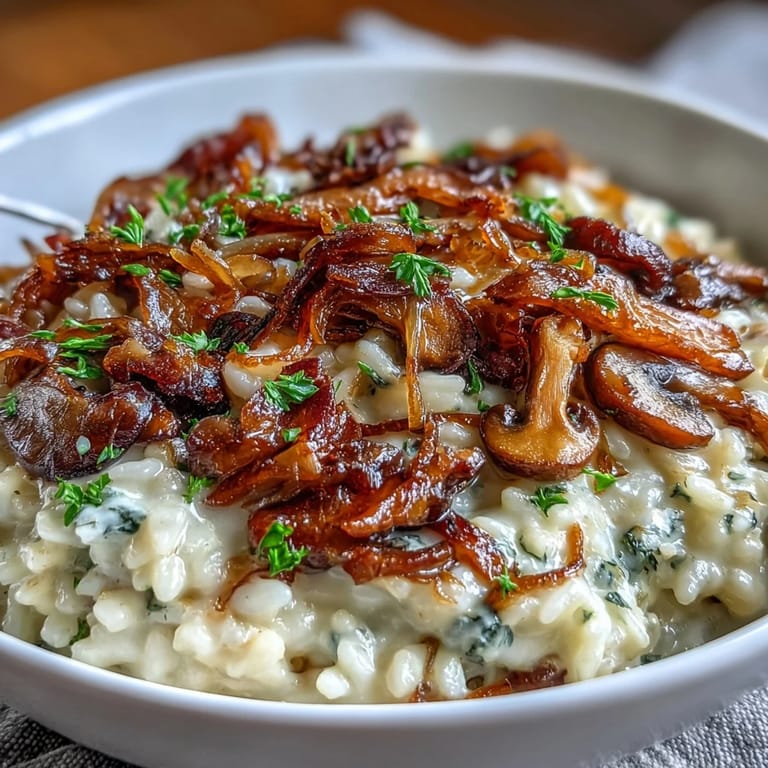
 There's something about the smell of onions turning golden that makes you forget you're supposed to be watching the clock. My first attempt at risotto ended in panic—I'd rushed the caramelization, thinking ten minutes was enough, and ended up with bland, half-cooked onions that ruined the whole dish. Now, whenever I make this Caramelized Onion and Mushroom Risotto, I give those onions the time they deserve, and the kitchen fills with this deep, sweet aroma that somehow makes everything feel worth it.
I made this for my partner on a cold October evening after we'd both had rough days at work, and I watched their expression shift from tired to genuinely present as they took that first bite. The way risotto demands your attention—constant stirring, gentle coaxing—turned what could've been another rushed dinner into something that felt intentional and caring. Sometimes the best meals aren't about impressing anyone; they're about showing up for someone.
What's for Dinner Tonight? 🤔
Stop stressing. Get 10 fast recipes that actually work on busy nights.
Free. No spam. Just easy meals.
Ingredients
- Yellow onions: Choose large, sweet ones because they'll caramelize into something almost jammy and luscious—regular onions work fine, but don't skip this step no matter what.
- Cremini or button mushrooms: These have enough body to brown properly and won't disappear into the risotto like delicate varieties might.
- Garlic: Fresh and minced, added after the mushrooms brown so it doesn't burn and turn bitter.
- Fresh parsley: Stir some in at the end and save the rest for garnish—it brightens everything up.
- Arborio rice: This is the only rice that works here because of its starches; it creates that signature creamy texture without falling apart.
- Parmesan cheese: Real Parmigiano-Reggiano makes a difference, but honestly, good quality grated Parmesan does the job.
- Unsalted butter: Use real butter, not margarine—you'll taste the difference in every spoonful.
- Heavy cream: Optional but worth it; it adds a luxurious finish that makes people ask for your secret.
- Vegetable broth: Keep it warm in another pot so the risotto doesn't shock the rice with cold liquid—this matters more than you'd think.
- Dry white wine: A wine you'd actually drink; the cheap stuff leaves a sharp edge.
- Olive oil: Extra virgin for drizzling at the end, regular for cooking.
- Salt and black pepper: Taste as you go because risotto forgives small adjustments.
Instructions
- Caramelize your onions with patience:
- Heat 1 tablespoon olive oil and 1 tablespoon butter over medium-low heat, add your sliced onions with a pinch of salt, and let them cook for 20 to 25 minutes, stirring often. Don't rush this—you're not just softening them, you're coaxing out their natural sugars until they turn deep golden and almost translucent.
- Brown the mushrooms properly:
- In the same pan, add your remaining oil and sauté the mushroom slices over medium heat for about 7 minutes until they lose their moisture and develop a golden crust. Add your minced garlic in the last minute and let it perfume the oil without burning.
- Toast the rice:
- Stir in your Arborio rice and keep stirring for 2 minutes so every grain gets coated in fat and toasted slightly. This prevents it from becoming mushy and gives it a subtle nutty flavor.
- Deglaze with wine:
- Pour in your white wine and stir gently until it's mostly absorbed by the rice. You'll hear the sizzle settle into a quiet simmer.
- Build the risotto with broth:
- Add warm vegetable broth one ladle at a time, stirring gently after each addition and waiting until it's mostly absorbed before adding more. This usually takes 18 to 20 minutes, and you'll watch the rice gradually soften while staying distinct—not mushy, but creamy.
- Finish with richness:
- When the rice is tender and creamy, stir in your caramelized onions, remaining butter, Parmesan, and cream if using, then season carefully with salt and pepper to taste. Remove from heat immediately.
- Rest and serve:
- Let the risotto sit for 2 minutes—this lets everything settle and the flavors marry together. Stir in fresh parsley, spoon into bowls, and finish with extra Parmesan and a pinch of parsley.
 Pin Recipe
 I made this once for a dinner party where I barely knew the other guests, and by the time we were halfway through the risotto, the whole table was trading stories like old friends. Food that requires presence and patience somehow invites the same from everyone around it.
Variations to Keep Things Interesting
The beauty of risotto is how flexible it is once you understand the method. I've added sautéed spinach, fresh peas, roasted red peppers, or even crispy sage without changing the core technique. Some evenings I make it vegan by swapping butter for plant-based alternatives and using nutritional yeast instead of Parmesan—it loses some richness but gains a different kind of elegance.
What to Serve Alongside
This risotto stands beautifully on its own but appreciates company. A fresh arugula salad with lemon vinaigrette cuts through the richness, or roasted vegetables on the side make it feel more substantial without overwhelming the delicate flavors you've worked to build.
Wine and Storage Notes
A crisp Pinot Grigio or Chardonnay pairs perfectly—something clean and bright that echoes the white wine in the risotto itself. Leftovers can be refrigerated for up to 3 days, though risotto is honestly best eaten fresh when the texture is at its creamiest.
- Leftover risotto can be transformed into risotto cakes by chilling it overnight, forming patties, and pan-frying them until golden for a completely different texture.
- If your risotto seems too thick when reheating, add broth or water a little at a time until it flows again.
- Make the caramelized onions ahead of time—they keep in the fridge for a week and honestly taste even deeper the next day.
 Pin Recipe
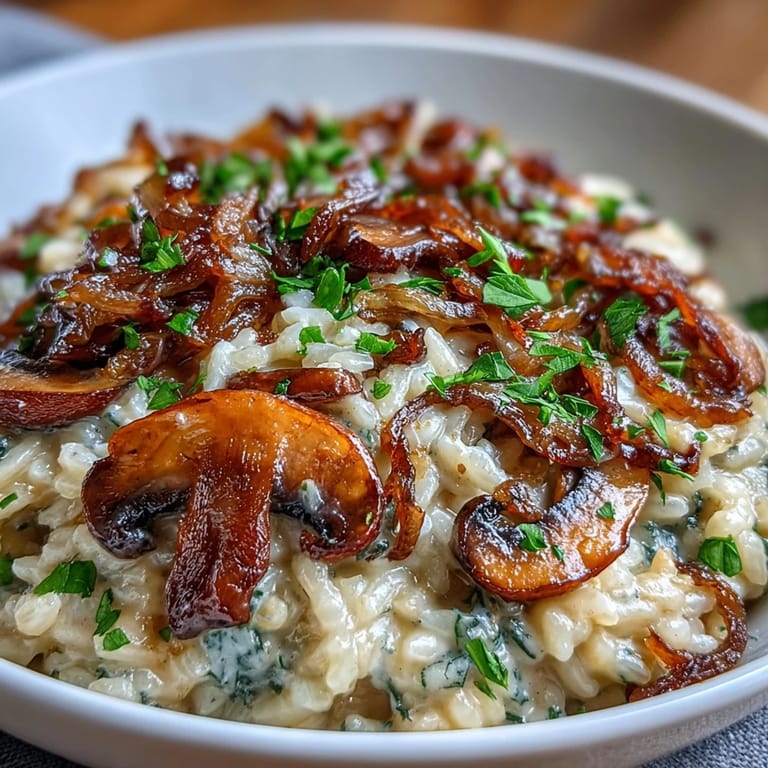
 This risotto taught me that some of the best things take time, and that's not a limitation—it's the whole point. Every time I make it, I'm grateful for the quiet kitchen and the ritual of stirring, knowing something nourishing is being built with intention.
Recipe FAQs
- → How do you caramelize onions properly?
Cook thinly sliced onions slowly over medium-low heat with a pinch of salt, stirring occasionally until deeply golden and sweet, about 20-25 minutes.
- → What type of mushrooms work best for this dish?
Cremini or button mushrooms are ideal as they brown nicely and offer a mild, savory flavor that complements the creamy rice.
- → Can I use vegetable broth instead of stock?
Yes, warm low-sodium vegetable broth adds flavor while keeping the dish vegetarian-friendly and rich in taste.
- → How do you achieve a creamy risotto texture?
Gradually add warm broth to the rice, stirring gently and allowing liquid to absorb between additions, cooking until tender but slightly firm.
- → What is the role of white wine in this dish?
Dry white wine is added early in cooking to impart depth and subtle acidity, enhancing the overall flavor profile of the dish.
- → Can I make this dish vegan?
Use plant-based butter and substitute Parmesan with vegan cheese or omit it altogether for a vegan-friendly version.