 Pin Recipe
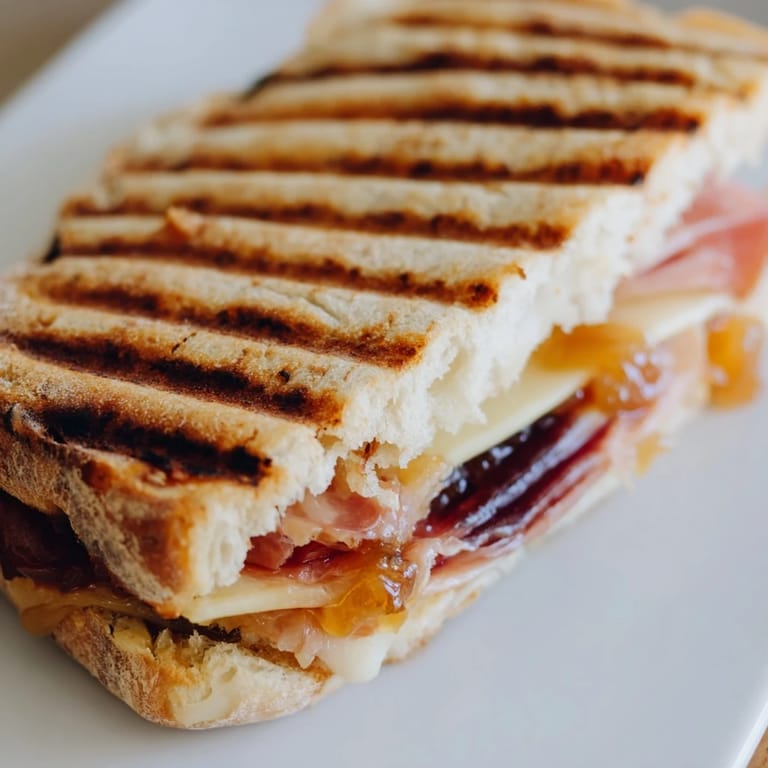
 The first time I encountered fig and prosciutto together was at a tiny Italian wine bar tucked away on a side street I'd stumbled upon while lost and looking for somewhere to hide from an unexpected rainstorm. The bartender pressed this sandwich that smelled like caramelized sugar and savory magic, and I spent the entire meal trying to reverse-engineer what I was tasting. Now whenever gray weather rolls in, my kitchen starts smelling like fig jam and melting fontina.
My sister claimed she didnt like fancy sandwiches until I made her one on a Sunday afternoon when she was visiting and complaining about being hungry. She took one bite, went completely silent for a full minute, then asked if I could teach her how to make them before she left. Now she texts me photos of her panini experiments with different cheese combinations.
What's for Dinner Tonight? 🤔
Stop stressing. Get 10 fast recipes that actually work on busy nights.
Free. No spam. Just easy meals.
Ingredients
- Rustic Italian bread: Ciabatta or sourdough with a sturdy crumb handles the pressing without turning mushy
- Fig jam: The sweetness bridges salty prosciutto and creamy cheese perfectly
- Fontina cheese: Melts beautifully with a mild nutty flavor that complements without overpowering
- Prosciutto: Thin slices crisp up slightly while staying silky and providing essential salt
- Unsalted butter: Buttering the exterior creates that golden restaurant-quality crunch
Instructions
- Get your heat ready:
- Preheat a panini press or large skillet over medium heat until its evenly warm
- Layer the foundation:
- Spread fig jam on two bread slices, leaving a slight border at the edges
- Build the sandwich:
- Arrange prosciutto over the jam, then top with cheese slices and remaining bread
- Butter the exterior:
- Coat the outside of each sandwich generously with softened butter on both sides
- Press and golden:
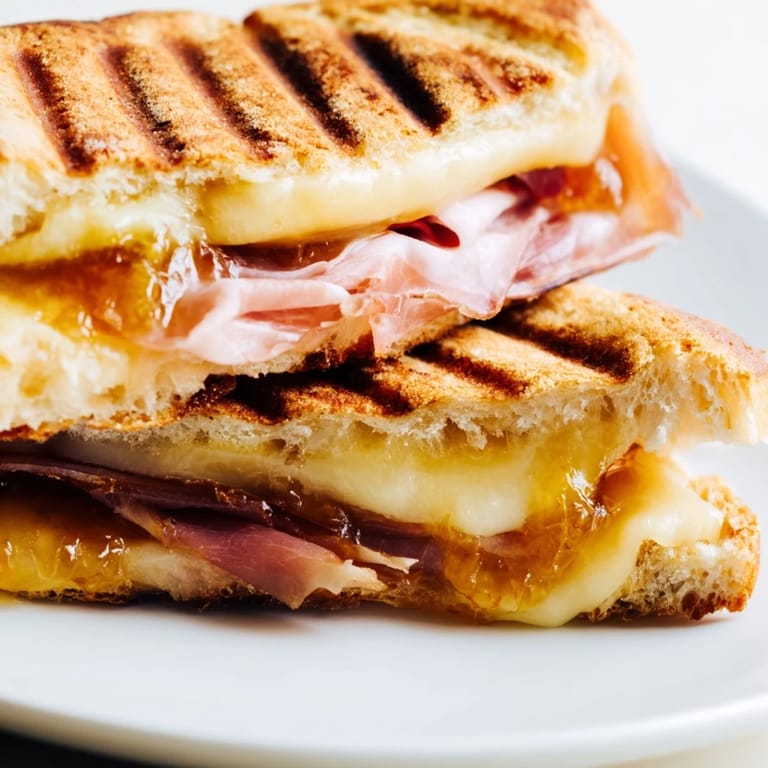
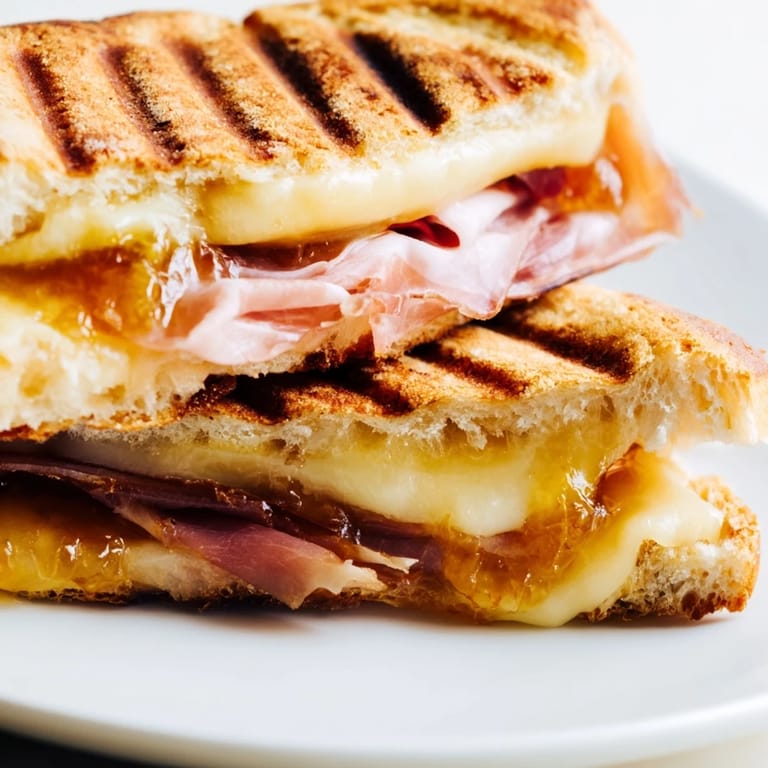
- Cook for three to four minutes per side until the bread turns deep golden and cheese melts completely
- Serve immediately:
- Slice each sandwich diagonally and serve while the cheese is still molten
 Pin Recipe
  Pin Recipe
 This recipe became my go-to for dinner parties when I realized people would happily eat something this simple if it felt special. The best part is how the kitchen smells like caramelized fruit and savory meat while they press, drawing everyone into the room to ask what's cooking.
Choosing Your Bread
The bread makes or breaks this sandwich entirely. Dense artisan loaves with a substantial crust hold up to the pressing process while softer bakery bread might turn soggy under the weight. I learned this the hard way with a beautiful rosemary focaccia that flattened into a pancake.
Cheese Variations
Fontina is my go-to for its reliable melting properties but Ive had excellent results swapping in taleggio for funkier depth or young gouda for caramel notes. Just avoid aged cheeses that dont melt smoothly or fresh cheeses that could make the bread damp.
Beyond The Basic Press
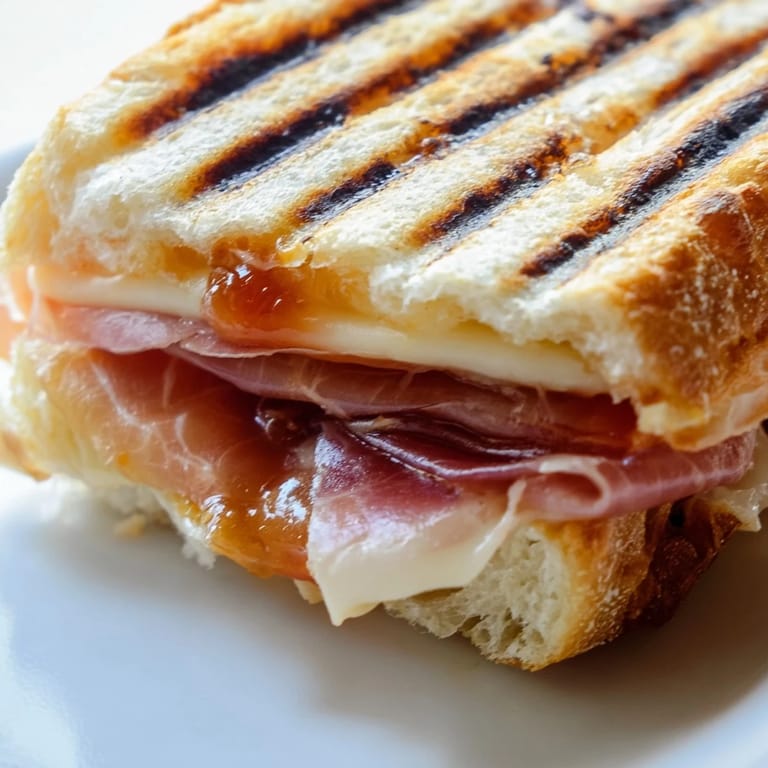
While a panini press makes restaurant-style ridges, a cast iron skillet with another heavy skillet on top works beautifully. The key is even pressure and patience—rushing by pressing too hard squeezes out all that glorious melted cheese.
- Add fresh arugula after pressing for a bright peppery contrast
- A drizzle of balsamic glaze takes the sweet-salty profile up another level
- Pair with a crisp white wine or light Italian red to cut through the richness
 Pin Recipe
  Pin Recipe
 Sometimes the simplest combinations end up being the ones that stick around the longest in your cooking rotation. This panini has earned its permanent place in my sandwich rotation for all the right reasons.
Recipe FAQs
- → What type of bread works best?
Rustic Italian breads like ciabatta or sourdough provide ideal structure. Their sturdy texture holds up well to pressing while developing a satisfying golden crust. Avoid soft sandwich bread as it may become too compressed.
- → Can I make this without a panini press?
A large skillet works perfectly. Cook over medium heat, using a spatula to press down firmly. You can also place a heavy pan or plate on top to weight the sandwich while cooking for even pressing.
- → What cheese substitutes work well?
Fontina melts beautifully, but mozzarella offers milder flavor while taleggio adds distinctive tang. Brie creates creaminess, goat cheese provides brightness, and provolone delivers classic Italian melting qualities.
- → How do I prevent the bread from burning?
Keep heat at medium setting. The butter should sizzle gently, not aggressively. If using a skillet, check the bottom after 3 minutes and adjust heat lower if browning too quickly before cheese has melted.
- → What additions enhance the flavors?
Fresh arugula adds peppery bite that complements the sweet fig jam. A drizzle of balsamic glaze, cracked black pepper, or fresh thyme leaves can elevate the sandwich. Some enjoy adding caramelized onions for depth.
- → Can these be made ahead?
Assemble sandwiches up to 4 hours before cooking, wrapping tightly in plastic. However, wait to butter the exterior until just before cooking to prevent sogginess. They're best enjoyed immediately after pressing while cheese remains molten.