 Pin Recipe
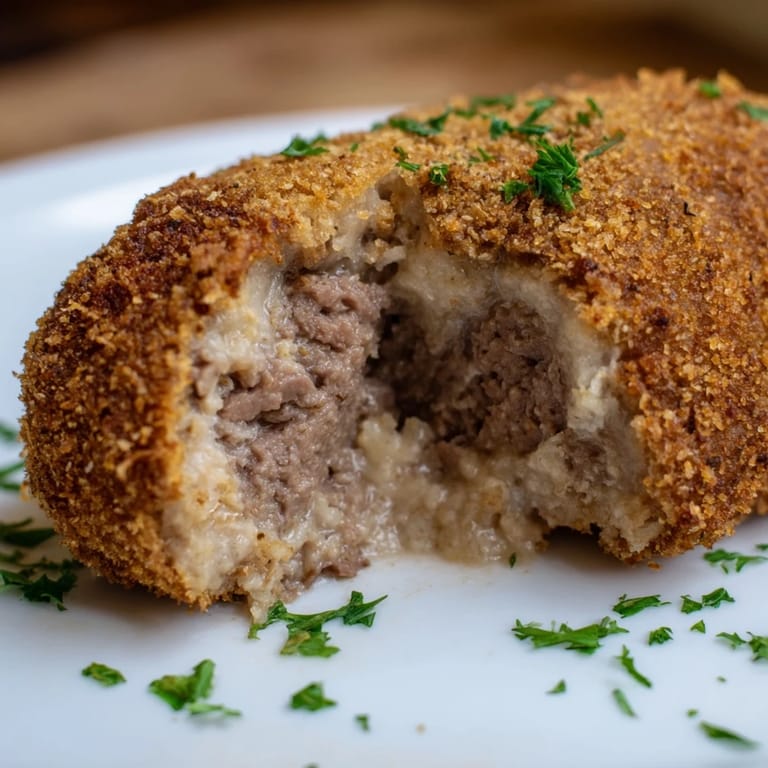
 Years ago, at a crowded café in Amsterdam, I bit into a croquette and experienced something revelatory—the snap of the golden crust giving way to a creamy, savory beef ragout that seemed to melt on my tongue. I spent the rest of that afternoon sketching the memory in my notebook, determined to recreate that exact sensation in my own kitchen. When I finally succeeded, I understood why these crispy cylinders are such a fixture of Dutch comfort food; they're not just appetizers, they're little moments of pure satisfaction wrapped in breadcrumbs.
The first time I made these for friends, I was so nervous about the double-coating technique that I actually breaded them twice by accident—but somehow that extra layer made them even crispier, and everyone at the table couldn't stop raving. Now I do it intentionally, and those croquettes have become the thing people specifically ask me to bring to gatherings. There's something deeply rewarding about watching someone bite into one and pause, surprised by how much flavor is packed into something so small.
What's for Dinner Tonight? 🤔
Stop stressing. Get 10 fast recipes that actually work on busy nights.
Free. No spam. Just easy meals.
Ingredients
- Stewing beef (250 g): Chuck or another well-marbled cut becomes impossibly tender after simmering in broth, giving the ragout its rich, melt-in-mouth quality—don't skip the full hour of gentle cooking.
- Beef broth (500 ml): Use homemade if you can; it deepens the flavor profile in ways that store-bought sometimes can't quite reach.
- Bay leaf: Just one, added early and removed after simmering, rounds out the savory notes without overpowering.
- Onion (1 small, finely chopped): The bridge between the beef and the creamy binder—cook it until it's completely soft and sweet.
- Unsalted butter (40 g + 1 tbsp): The key to a silky roux and the foundation of everything that follows.
- All-purpose flour (40 g): This creates the roux that transforms the ragout from loose to luxuriously thick.
- Whole milk (150 ml): Adds creaminess without making the filling too heavy; whole milk gives better body than low-fat versions.
- Ground nutmeg (1/2 tsp): A whisper of warmth that shouldn't be missed—it's what makes you taste the difference between good croquettes and unforgettable ones.
- Fresh parsley (1 tbsp, chopped): Optional but worth adding for a subtle herbaceous lift.
- Eggs (2 large): Your binding agent in the breading station—beat them well so they create an even seal.
- Fine dry breadcrumbs (150 g): Panko or Dutch paneermeel creates that signature crackle; finer breadcrumbs will give you a more delicate crust.
- Neutral oil for frying: Sunflower or canola works perfectly; make sure you have enough to submerge the croquettes completely.
Instructions
- Simmer the beef until it surrenders:
- In a saucepan, combine cubed beef, beef broth, bay leaf, and a pinch of salt, then bring it to a boil before reducing the heat to a gentle simmer for about an hour. You'll know it's ready when you can shred the meat with the back of a wooden spoon—this is where patience becomes flavor.
- Build the flavor with onion and meat:
- Melt butter in a skillet and sauté your finely chopped onion until it's soft and translucent, about three minutes, then add the shredded beef and stir gently until combined. Taste and adjust the salt and pepper now, because this is your last chance before everything gets bound together.
- Make the roux base:
- In a clean saucepan, melt butter over low heat, whisk in flour, and cook for about two minutes while stirring constantly—you want it to smell toasted but not brown. This calm, steady cooking is what prevents lumps later.
- Create the creamy ragout:
- Gradually whisk in the reserved beef broth and milk, moving slowly enough that the mixture stays smooth and thick. The moment it resembles a silky sauce, add the beef mixture, nutmeg, and parsley, then stir until everything is unified into a rich, creamy consistency.
- Chill the filling overnight or longer:
- Spread the ragout in a shallow dish, cover it, and refrigerate for at least an hour until it's firm enough to shape—overnight is even better because it firms up beautifully and the flavors deepen. This patience is what separates homemade croquettes from soggy disappointments.
- Shape with cool hands and focus:
- Working with chilled filling, form ten cylinder shapes about eight centimeters long—cold hands help prevent the mixture from sticking, so rinse them in cold water if needed. The shape doesn't need to be perfect; slight irregularities actually look more authentic.
- Bread with intention:
- Set up three shallow bowls with flour, beaten eggs, and breadcrumbs, then roll each croquette in flour first, dip it in egg, and coat it thoroughly in breadcrumbs—for the crispiest results, repeat the egg and breadcrumb step one more time. This double coating is your secret to that satisfying crunch.
- Fry until golden and crisp:
- Heat oil in your deep fryer or heavy pot to exactly 180°C (350°F), then fry the croquettes in small batches for three to four minutes until they're a deep golden brown. Drain them immediately on paper towels so they stay crisp.
 Pin Recipe
 There was one evening when a friend who'd grown up in Rotterdam came to dinner, and I served these croquettes with a quiet kind of pride. She took one bite, closed her eyes, and said, "You got it right," which might be the highest compliment I've ever received in my kitchen. That moment made me realize these aren't just recipes; they're edible memories of a place and a tradition, passed forward through hands and taste buds.
The Breading Station—Your Secret Weapon
The magic of professional-looking croquettes lives in the breading station, and I learned this the hard way after my first batch looked like they'd been dressed by someone who'd never seen breadcrumbs before. Now I line everything up with almost ceremonial care—three shallow bowls, each ingredient at room temperature, and a clear rhythm: flour, egg, breadcrumbs, and if you're going for glory, repeat the last two. The double coating catches the light differently when they come out of the oil, and honestly, there's something satisfying about that visual cue that you've done it right.
Make-Ahead Magic and Freezer Wisdom
One of the beautiful things about croquettes is their willingness to cooperate with your schedule—bread them today, freeze them tomorrow, fry them whenever hunger strikes. I've kept breaded, frozen croquettes in my freezer for up to three weeks, and they fry perfectly from frozen if you add one or two extra minutes to the cooking time. This flexibility means I can pull together an impressive appetizer for unexpected guests without the stress of last-minute preparation, which somehow makes them taste even better.
Serving and Pairing Ideas
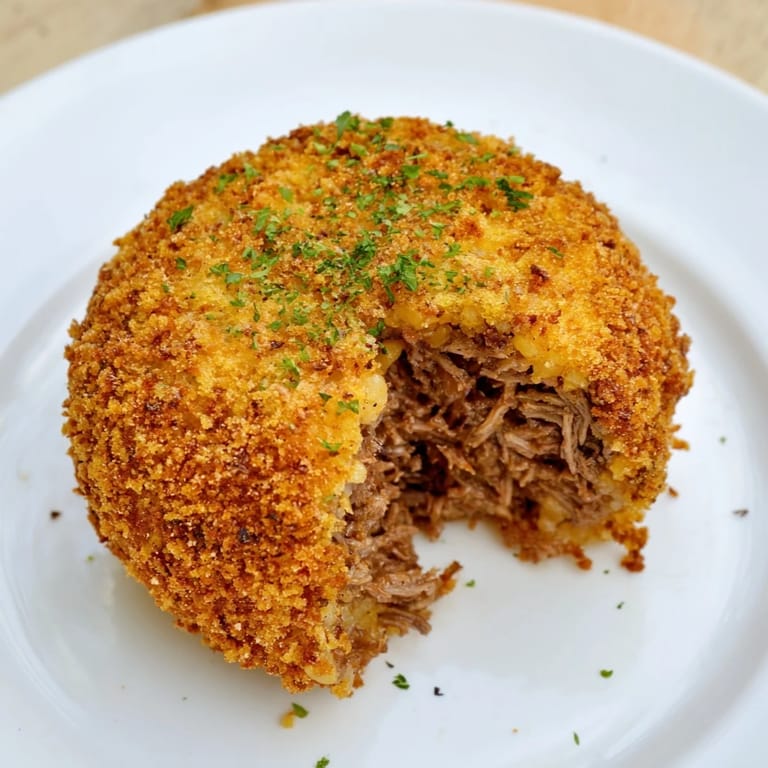
Croquettes are inherently convivial—they beg to be shared, dipped, and enjoyed while still warm from the oil. I serve mine with a simple mustard for dipping, though some people swear by a creamy mayo mixed with a touch of curry powder.
- A crisp pilsner or pale lager is the perfect drinking companion, cutting through the richness with refreshing clarity.
- Pair them with fries for a proper Dutch experience, or arrange them on a board alongside pickled onions and other small bites for a proper spread.
- They're equally at home at a casual weeknight dinner or a formal dinner party where you want people to remember you made something extraordinary.
 Pin Recipe
 These croquettes have become my edible love letter to Dutch hospitality—that warm, generous spirit of sharing good food without fuss. Every time I make them, I'm reminded that the best recipes are the ones that bring people together, one golden-brown cylinder at a time.
Recipe FAQs
- → How do I ensure a crispy crust?
Coat each piece thoroughly in flour, egg, and breadcrumbs, repeating the egg and breadcrumb step for extra crunch before frying at 180°C.
- → Can I prepare croquettes ahead of time?
Yes, shape and bread croquettes can be frozen. Fry them directly from frozen, adding a couple of extra minutes to the cooking time.
- → What cut of beef works best?
Stewing beef like chuck is ideal for tender, flavorful filling after slow simmering with aromatics.
- → What can I serve with these croquettes?
They pair wonderfully with mustard for dipping, fries, and a crisp pilsner or pale lager.
- → How is the filling thickened?
A roux made of butter and flour combined with milk and beef broth thickens the shredded beef and onion mixture into a creamy ragout.