 Pin Recipe
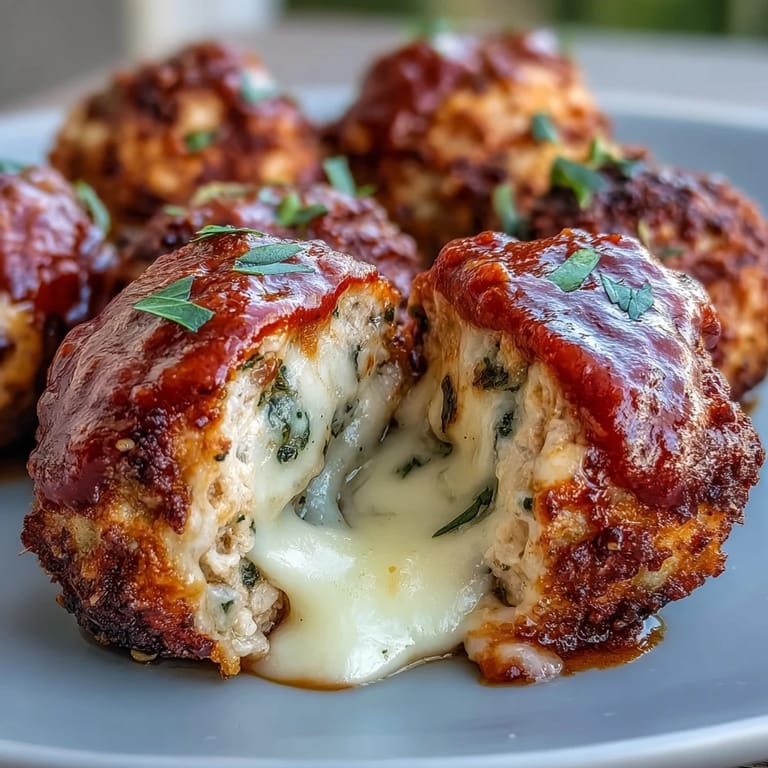
 My neighbor handed me a foil-wrapped sandwich through the fence one afternoon, still steaming, and I bit into what she called her spicy chicken parm—crispy, tangy, alive with heat. Years later, I found myself craving that exact flavor profile but wanted something I could make on a weeknight without frying. These baked spicy chicken parm meatballs were born from that craving, a way to capture all that sandwich magic in one bubbly, comforting dish that feels like a hug but tastes like an adventure.
I made these for a potluck once, unsure if anyone would eat them since meatballs feel so ordinary. Someone came back for thirds and asked what was in the sauce, and when I told them it was just chicken, breadcrumbs, and hot sauce doing the heavy lifting, they looked genuinely surprised. That moment made me realize the simplest ingredients, when you respect them and season them boldly, can steal the show.
What's for Dinner Tonight? 🤔
Stop stressing. Get 10 fast recipes that actually work on busy nights.
Free. No spam. Just easy meals.
Ingredients
- Ground chicken: The star that needs help staying moist—this is why we add hot sauce and egg generously.
- Breadcrumbs: The binding agent that keeps everything tender; don't skip or substitute carelessly.
- Grated Parmesan cheese: Adds umami depth and helps the meatballs hold together while baking.
- Large egg: Your moisture insurance; it keeps these from turning into hockey pucks.
- Minced garlic: Two cloves gives warmth without overpowering; fresh is non-negotiable here.
- Fresh parsley: A brightness that cuts through the richness and makes these feel less heavy than they should.
- Salt and black pepper: Foundation flavors that make everything else sing.
- Smoked paprika: Gives depth and a whisper of smokiness that tastes like someone knew what they were doing.
- Cayenne pepper: Where the heat lives; start with half a teaspoon unless you know your crowd likes fire.
- Onion powder: Adds savory notes without the moisture that fresh onion would bring.
- Dried oregano: The Italian-American signature that makes these taste intentional.
- Hot sauce: The secret weapon that keeps meatballs from drying out while adding character.
- Marinara sauce: Use good sauce or make your own; it becomes the voice of the dish.
- Shredded mozzarella cheese: The final blanket of comfort; let it get bubbly and slightly browned at the edges.
- Olive oil: For browning the meatballs so they develop flavor before the oven finishes them.
Instructions
- Heat your oven and prepare your canvas:
- Preheat to 400°F and lightly grease a 9x13-inch baking dish with 1 tablespoon of olive oil. This temperature is hot enough to melt cheese into gorgeous bubbles without burning the edges.
- Build your meatball mixture with intention:
- Combine ground chicken, breadcrumbs, Parmesan, egg, garlic, parsley, salt, pepper, smoked paprika, cayenne, onion powder, oregano, and hot sauce in a large bowl. Mix gently—overmixing develops gluten and makes meatballs tough and dense, which defeats the entire purpose of using chicken.
- Shape with your hands:
- Wet your hands with cool water, then form the mixture into 1 1/2-inch balls. Wet hands prevent sticking and give you better control; you should end up with about 16 meatballs that feel uniform in size so they cook evenly.
- Brown them for color and flavor:
- Heat the remaining 1 tablespoon of olive oil in a large skillet over medium heat, then add meatballs in a single layer. Brown them for 2 to 3 minutes per side, working in batches to avoid crowding, which steams instead of browns. They don't need to be fully cooked—the oven will finish that job.
- Build your sauce foundation:
- Spread half of the marinara sauce into the bottom of your greased baking dish, then arrange the browned meatballs on top in a single layer. Pour the remaining sauce over them so they're nestled but not completely submerged.
- Let the oven do the work:
- Bake for 15 minutes until the sauce simmers gently and you can smell the oregano and paprika dancing together. The meatballs will continue cooking through the steam and heat.
- Crown them with cheese:
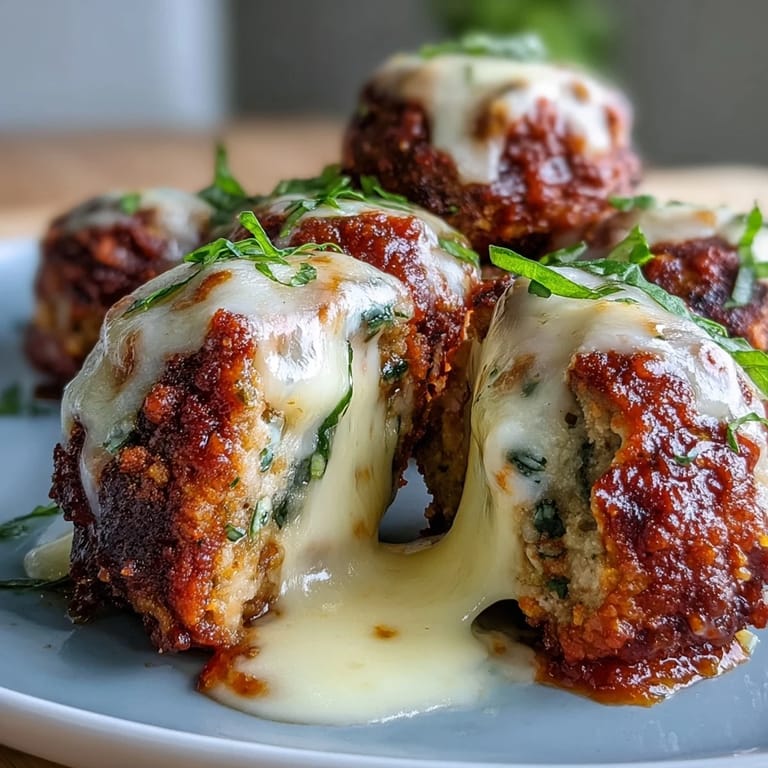
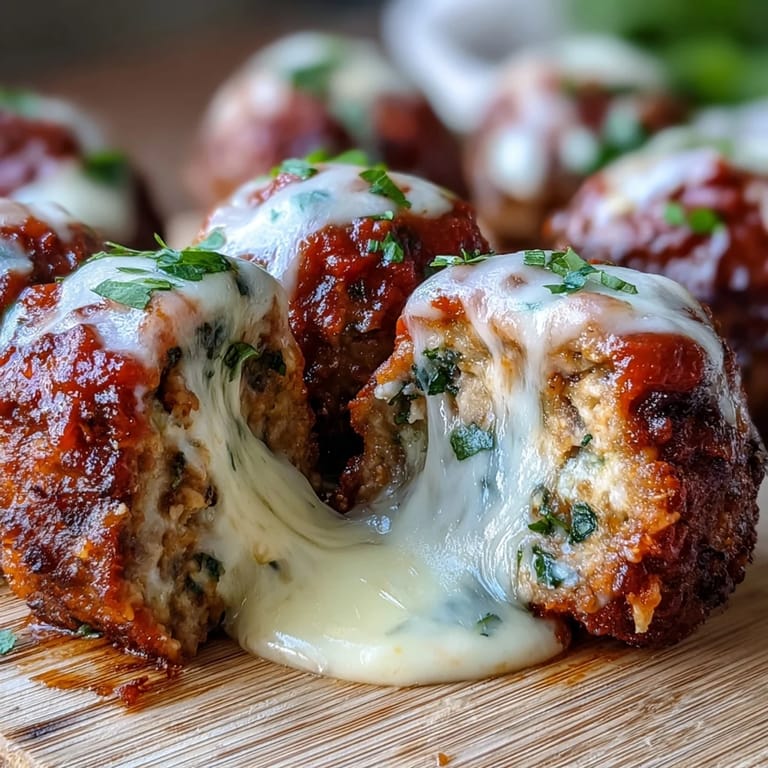
- Remove from the oven and distribute shredded mozzarella evenly across the top. Return to the oven for 10 to 12 minutes until the cheese melts into a bubbly, slightly golden layer and an instant-read thermometer inserted into the thickest meatball reads 165°F.
- Rest and serve with intention:
- Let everything sit for 5 minutes so the cheese sets slightly and the sauce stops bubbling violently. Garnish with fresh parsley if you have it, though it's absolutely optional.
 Pin Recipe
 The first time everything came together perfectly, my partner walked into the kitchen just as the cheese hit that golden, bubbly stage, and the look on their face told me everything I needed to know. Food that makes people stop and notice is worth the small effort it takes to do it right.
Playing with Heat and Flavor
The spice in these meatballs isn't aggressive—it's friendly and inviting, building slowly as you eat. I've learned that cayenne and hot sauce work together to create layers of heat rather than a single sharp kick, and this balance is what makes people keep eating instead of reaching for water. Start with the amounts listed, taste a tiny piece before serving, and adjust for your crowd; you can always add more heat, but you can't take it back.
Sauce Choices and Shortcuts
Store-bought marinara is perfectly honest and saves time, but I've noticed that even good sauce improves with a pinch of extra oregano and a turn of fresh pepper stirred in before you use it. Some nights I add a tablespoon of balsamic vinegar to the sauce for subtle sweetness, other times I stir in a splash of red wine if I'm feeling fancier. The meatballs are flexible enough to handle your sauce personality.
Beyond the Baking Dish
These meatballs refuse to stay boring no matter how you serve them. Layer them over spaghetti, nestle them into toasted hoagie rolls with extra sauce and cheese for a legitimate sandwich moment, or pile them over creamy polenta for something unexpected and satisfying. I've even packed cold leftovers into a lunchbox with fresh crusty bread, and it became the meal everyone remembered from that week.
- Toast your hoagie rolls with garlic butter and a little grated Parmesan for maximum sandwich impact.
- Try ground turkey if chicken feels boring to you; the swap works beautifully and shifts the flavor just enough to feel fresh.
- Make a double batch and freeze extras after browning but before saucing—they reheat perfectly and make future dinners effortless.
 Pin Recipe
 These meatballs taught me that comfort food doesn't mean bland, and spice doesn't mean scary. They're proof that a simple idea, seasoned with intention and respect, becomes something worth making again and again.
Recipe FAQs
- → Can I make these meatballs ahead of time?
Yes, you can form and brown the meatballs up to 24 hours in advance. Store them covered in the refrigerator, then proceed with baking when ready. You can also freeze the uncooked browned meatballs for up to 3 months—thaw overnight in the refrigerator before baking with the sauce.
- → How do I know when the meatballs are fully cooked?
Use a meat thermometer to check the internal temperature, which should read 165°F (74°C) when inserted into the center of a meatball. Alternatively, cut one open to verify there's no pink remaining and the meat is opaque throughout.
- → Can I use ground turkey instead of chicken?
Absolutely. Ground turkey works well as a substitute and will have a slightly milder flavor. Keep in mind that turkey may be slightly leaner, so consider adding an extra tablespoon of olive oil or Parmesan to maintain moisture.
- → What can I serve with these meatballs?
These meatballs pair beautifully with spaghetti or other pasta for a classic Italian-American dinner. Serve with garlic bread, a green salad, or roasted vegetables. For sandwiches, place them in toasted hoagie rolls with extra sauce and melted cheese.
- → How can I make these gluten-free?
Simply replace the regular breadcrumbs with gluten-free breadcrumbs or crushed gluten-free crackers. Ensure your marinara sauce and hot sauce are certified gluten-free as well. All other ingredients are naturally gluten-free.
- → Can I adjust the spice level?
Certainly. Reduce the cayenne pepper to 1/4 teaspoon and omit the hot sauce for a mild version. For extra heat, increase the cayenne to 1 teaspoon and add an extra tablespoon of hot sauce. You can also add red pepper flakes to the marinara sauce for additional warmth.