 Pin Recipe
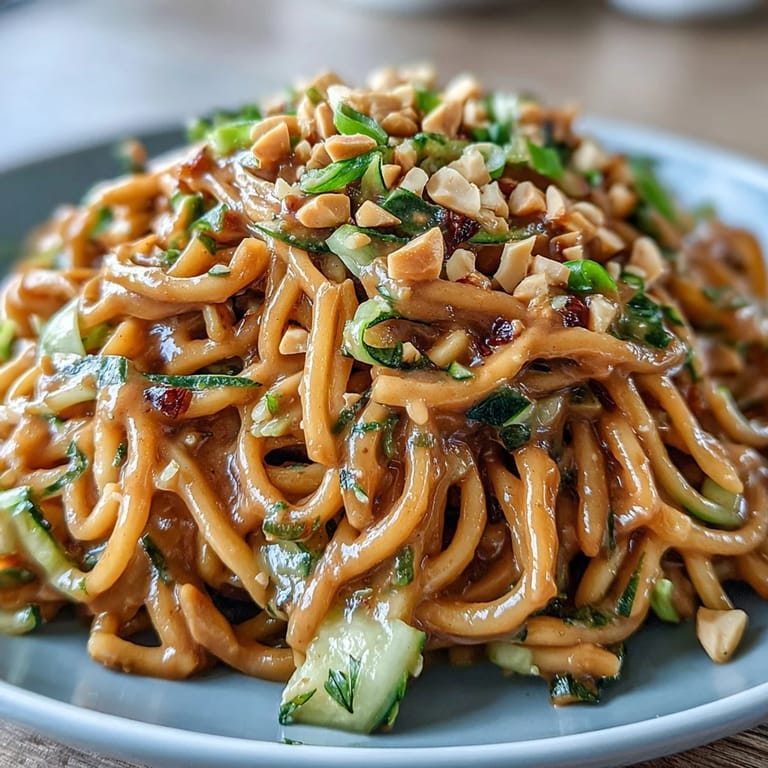
 Sunlight streaming through my kitchen window instantly makes me crave something cool and absolutely satisfying, and that's how this cold peanut sesame noodle recipe found its way into my late spring routine. The first time I made it, I’d just come back from a humid afternoon walk, craving something both nourishing and refreshing that wouldn’t make me hover over the stove for long. Peanut butter and sesame paste are pantry staples for me, but I'd never thought to whisk them into a creamy sauce for noodles until I needed a break from the usual salads. I was amazed by how the sharp vinegar and fresh cucumber cut through the richness, landing every bite somewhere between comforting and crisp. Even now, the sound of ice knocking against a colander of rinsed noodles means lunch is about to get very, very good.
I’ll never forget making these noodles for friends on an impromptu picnic, packing them up in a chilled container with a little extra sauce tucked in a jar. As we sat cross-legged on the grass, passing around bowls, not a single person spoke until the last noodle disappeared—a sure sign of success in my book. There’s a magic to sharing food that doesn’t need reheating or much fuss, especially when the ingredients stay cool and crisp. The best part was watching everyone argue over who got to scrape the last of the sauce from the bowl. That day, cold noodles officially joined my lineup of low-effort, maximum-reward meals.
What's for Dinner Tonight? 🤔
Stop stressing. Get 10 fast recipes that actually work on busy nights.
Free. No spam. Just easy meals.
Ingredients
- Dried wheat noodles (350 g): A sturdy base that holds up beautifully to chilling and sauce, and can be swapped out for spaghetti or soba noodles—just don’t overcook them.
- Peanut butter (4 tbsp, creamy & unsweetened): Rich and earthy, it’s worth seeking out natural peanut butter for pure flavor and the right texture.
- Toasted sesame paste (2 tbsp): Brings deep, nutty undertones—taste a dab before whisking it in, as some brands are strong.
- Soy sauce (2 tbsp): Salt and savoriness that ties everything together; low-sodium is fine if you want to control the salt.
- Rice vinegar (2 tbsp): Lifts the sauce with tangy brightness; don’t skip it, but cider vinegar can pinch-hit if you must.
- Sesame oil (1 tbsp): A toasty aroma that lingers; always add this after cooking to keep its flavor bold.
- Honey or maple syrup (1 tbsp): Softens the robust flavors; you’ll barely taste the sweetness, but trust me, you’d miss it if it were gone.
- Garlic (1 clove, finely grated): Adds sharpness—microplane it for best results.
- Fresh ginger (1–2 tsp, grated): A little goes a long way; grate over a piece of paper towel to catch all the juice.
- Chili-garlic sauce (1–2 tsp, optional): Adds controlled fire; adjust or skip based on your mood for heat.
- Warm water (3–4 tbsp): Necessary for the silkiest sauce; add gradually, stirring until it drapes off a spoon.
- Cucumber (1 large, julienned): Cool, crunchy, and essential for contrast; if the seeds are watery, scoop them out first.
- Scallions (2–3, sliced): Brings a pop of color and sharp bite; slice thinly on the bias for best texture.
- Roasted peanuts (2 tbsp, chopped): For crunch and extra peanut flavor—don’t skip toasting for the best results.
- Toasted sesame seeds (1 tbsp): Sprinkle at the end for visual appeal and to boost the sesame note.
- Fresh cilantro or mint leaves (optional): Add an herbal lift, especially good if you want to make things extra bright.
- Lime wedges (optional): I always squeeze one over my plate; the hit of citrus is like flipping a light switch on the whole dish.
Instructions
- Cook and cool the noodles:
- Boil the noodles just until tender, then drain and rinse them in cold water until they’re chilled and no longer sticky. Shake off all excess water or lay them on a clean towel so they don’t water down the sauce later.
- Make the sauce:
- In a medium bowl, whisk together the peanut butter, sesame paste, soy sauce, rice vinegar, sesame oil, honey (or maple syrup), garlic, ginger, and chili-garlic sauce. Gradually whisk in warm water until the sauce is smooth, glossy, and easily pours off a spoon.
- Toss it up:
- Place the cooled noodles in a big mixing bowl and add most of the peanut-sesame sauce. Use tongs to toss and turn until every noodle gleams with sauce—add more water or sauce if it seems clumpy.
- Top and garnish:
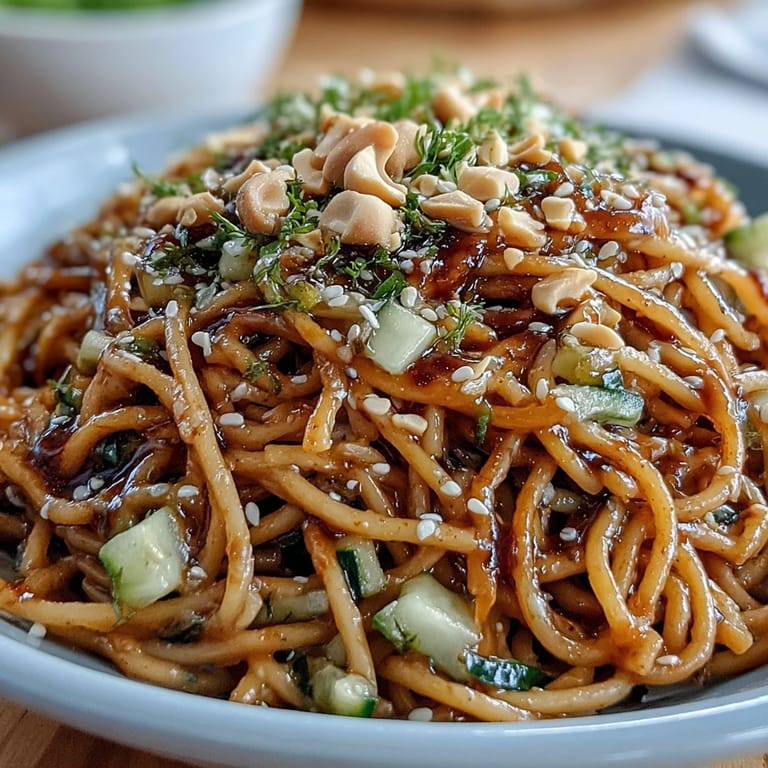
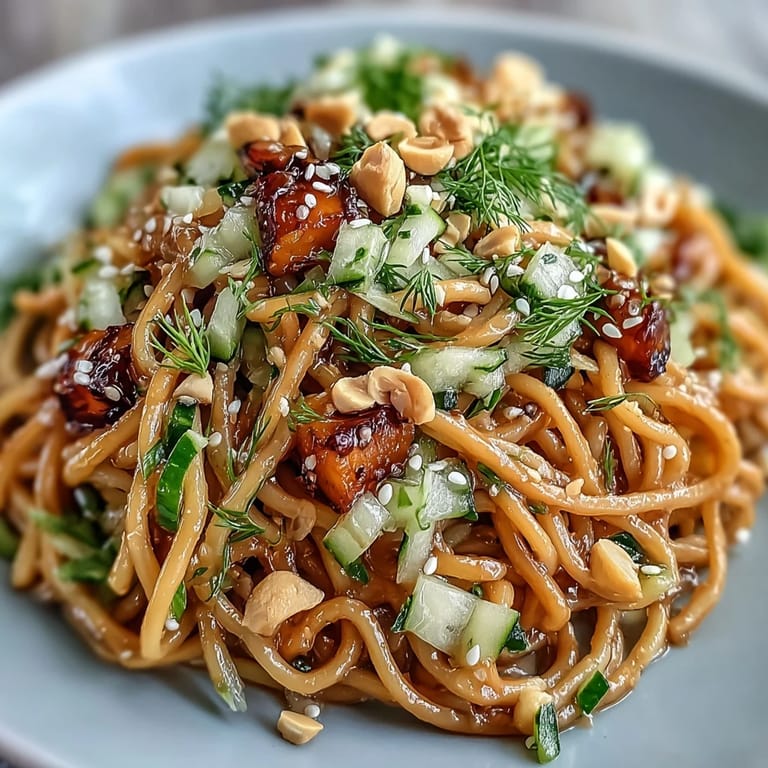
- Divide the sauced noodles onto plates, scatter over the cucumber, scallions, peanuts, sesame seeds, and herbs. If you like, finish with a quick squeeze of lime and drizzle any reserved sauce for extra richness.
- Serve or chill:
- Enjoy right away if you’re hungry, or cover and refrigerate for up to 2 hours—the flavors deepen as they sit, but don’t leave the noodles too long or they may get sticky.
 Pin Recipe
 One quiet night, I brought a bowl of these noodles to the balcony just as the city was washing itself golden with sunset. Between the bite of ginger and the cold snap of cucumber, it felt like summer was arriving all at once—and for those few minutes, dinner was the only thing that mattered.
Making This Dish Your Own
Don’t be afraid to play with the ingredients—swap in soba noodles if you like a heartier texture, or try almond butter for a different nutty depth. The toppings are an open invitation to creativity, so whatever you have on hand—carrots, radishes, or even leftover roast veggies—can work wonders with the sauce as a unifying thread. I’ve even stirred in cubes of tofu on days I needed a heartier bite, and the noodles are always grateful for it.
Sauce Secrets From My Kitchen
The trick to the dreamiest sauce is patience and tasting as you go. Sometimes, I whisk it with just a tiny bit of warm water at a time to watch it loosen up, and stir with chopsticks if a whisk isn’t handy—a good nudge for when the peanut butter wants to stay too thick. If you like extra zing, don’t be shy about adding an extra splash of vinegar, or finishing with a few drops of chili oil at the very end.
Serving and Storage Know-How
These noodles make stellar leftovers for lunch—just pop them in a sealed container and give them a toss with a bit of water or sauce before eating. I find they travel best when the toppings and noodles are packed separately, then combined just before serving to keep everything crisp and lively.
- Add protein like shredded chicken or tempeh if you want a more filling meal.
- If prepping ahead, slice cucumbers just before serving to avoid sogginess.
- Don’t forget a final squeeze of lime or lemon to wake up all the other flavors.
 Pin Recipe
 Hope you have as much fun dressing up these noodles as I always do—here’s to breezy meals that make you pause and savor. If you invent a new topping or twist, I’d love to hear about it!
Recipe FAQs
- → What noodles work best?
Use Chinese wheat noodles, spaghetti, or soba for good bite. Choose thicker strands for a heartier texture, or delicate noodles for a lighter mouthfeel.
- → How do I thin the sauce without watering it down?
Add warm water a tablespoon at a time while whisking until the sauce becomes smooth and glossy; the goal is a clingy consistency that coats each strand.
- → Can this be made gluten-free?
Yes—swap soy sauce for tamari and use rice or gluten-free noodles to maintain the same savory-sesame profile.
- → How long can it sit before serving?
It’s best served immediately or within two hours refrigerated. Toss again before serving to redistribute any settled sauce and refresh textures.
- → How can I add protein?
Fold in shredded cooked chicken, grilled tofu, or edamame. Add protein warm or cold depending on whether you want a chilled or room-temperature dish.
- → What is a good swap for peanut butter due to allergies?
Use almond or cashew butter for a similar creaminess, or sunflower seed butter for a nut-free option; adjust seasoning to balance flavor.