 Pin Recipe
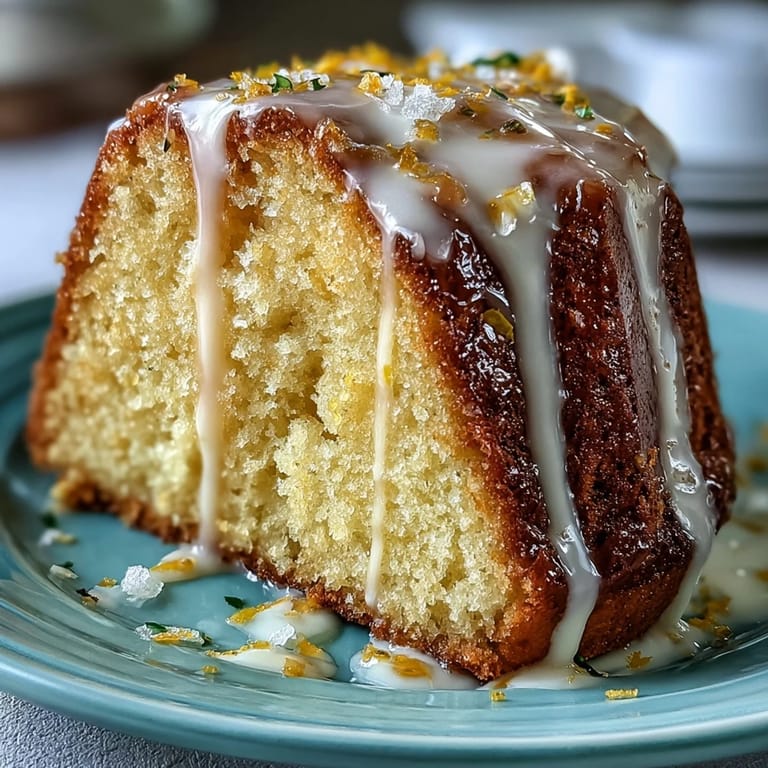
 My neighbor Marco showed up one spring afternoon with a bottle of homemade Limoncello, insisting I had to taste it. One sip and I was transported—bright, almost floral, with that sharp citrus bite that made my mouth water. That evening, I stood in my kitchen wondering if I could capture that feeling in cake form, and this Limoncello Pound Cake was born from pure experimentation and a desire to make something that tasted like sunshine in a slice.
I baked this for my book club last May, and someone actually closed their eyes after the first bite—you know that moment when a dessert hits exactly right? Everyone wanted the recipe, but the real magic was watching them taste that Limoncello note and suddenly understand why Italian bakeries have such a reputation. It became the cake I bring to every spring gathering now.
What's for Dinner Tonight? 🤔
Stop stressing. Get 10 fast recipes that actually work on busy nights.
Free. No spam. Just easy meals.
Ingredients
- All-purpose flour (2 ½ cups): Measure by spooning and leveling, not scooping directly from the bag, or you'll end up with a dense cake that won't rise properly.
- Baking powder (2 tsp): Check the date on your container—stale baking powder is why some cakes turn out flat and disappointing.
- Salt (½ tsp): Don't skip this; it amplifies all the lemon notes and keeps the sweetness from feeling one-dimensional.
- Unsalted butter (1 cup), softened: Room temperature butter creams properly and incorporates air, which gives you that tender crumb.
- Granulated sugar (2 cups): The creaming step is where the magic happens, so don't rush it.
- Eggs (4 large), room temperature: Cold eggs won't mix smoothly into the batter and can result in a lumpy texture.
- Lemon zest (1 tbsp): Use a microplane and zest right before mixing for the brightest flavor possible.
- Fresh lemon juice (¼ cup): Bottled juice works in a pinch, but fresh makes a noticeable difference in the final taste.
- Limoncello (⅓ cup): This is the soul of the cake—don't substitute with extract or it'll lose that complex citrus warmth.
- Vanilla extract (1 tsp): A small amount anchors the lemon and keeps it from tasting too sharp.
- Whole milk (½ cup), room temperature: Whole milk creates a more tender cake than skim, and the temperature matters for emulsification.
- Powdered sugar for glaze (1 ½ cups), sifted: Sifting removes lumps so your glaze stays silky and doesn't have gritty bits.
- Fresh lemon juice for glaze (2–3 tbsp): Adjust the amount based on how thick or thin you want the glaze to be.
- Limoncello for glaze (1 tbsp, optional): Adding it intensifies that citrus flavor and makes the glaze taste less like plain icing.
- Lemon zest for glaze (1 tsp): This garnish on top tells people exactly what they're about to taste.
Instructions
- Prepare your pan and preheat:
- Heat your oven to 350°F and grease your Bundt or loaf pan thoroughly, paying special attention to all the crevices and the center tube. Dust with flour and tap out the excess so your cake releases cleanly when cooled.
- Combine your dry ingredients:
- In a bowl, whisk together flour, baking powder, and salt, making sure everything is evenly distributed. Set this aside and you're already halfway to preventing lumps.
- Cream butter and sugar:
- Beat softened butter and sugar together for 3–4 minutes until the mixture looks pale and fluffy—this is where you're incorporating air that makes the cake light. You'll know it's ready when it looks almost like frosting.
- Add eggs one at a time:
- Drop in one egg, beat well, then repeat until all four are fully incorporated. Rushing this step or adding them all at once can cause the batter to look broken and grainy.
- Mix in the citrus and spirits:
- Add lemon zest, lemon juice, Limoncello, and vanilla to the creamed mixture and beat until everything is combined. You'll smell the most incredible citrus perfume rising from your bowl.
- Alternate wet and dry ingredients:
- Starting with flour mixture, add a third of it to the batter and mix gently until just combined. Then add a third of the milk, mix, then repeat until you've added everything, ending with flour. Overmixing develops gluten and makes the cake tough, so use a gentle hand here.
- Pour and smooth:
- Transfer batter to your prepared pan and smooth the top with a spatula, tapping the pan once on the counter to release any air bubbles.
- Bake until golden:
- Bake for 50–55 minutes until the top is deep golden and a toothpick inserted in the center comes out clean or with just a few moist crumbs. Your kitchen will smell incredible.
- Cool and turn out:
- Let the cake rest in the pan for 15 minutes, then carefully invert it onto a wire rack. Once completely cool, you're ready for the glaze.
- Make the glaze:
- Sift powdered sugar into a bowl and whisk with lemon juice, Limoncello if using, and zest until smooth and pourable—it should coat the back of a spoon without running off immediately.
- Glaze the cake:
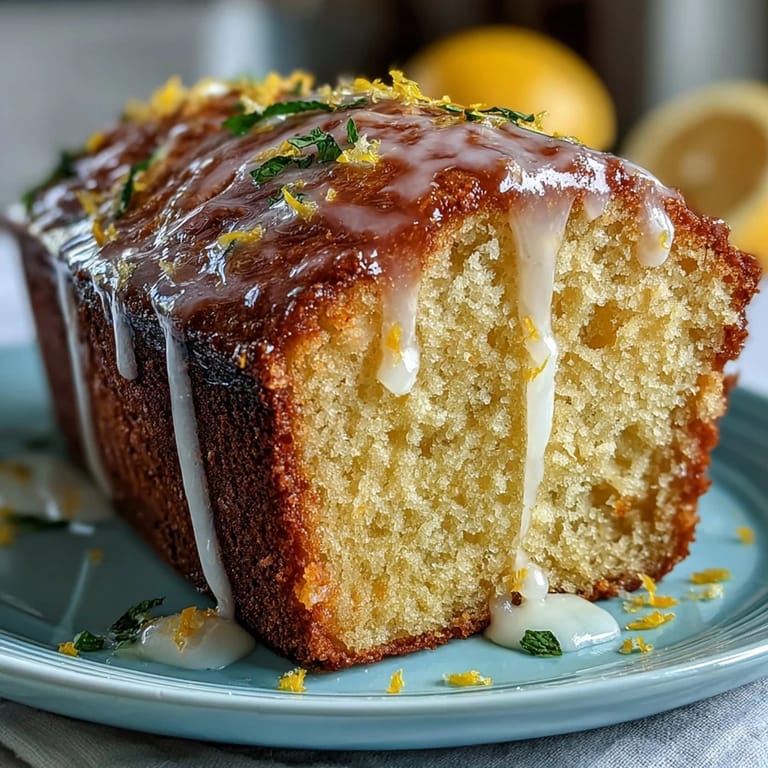
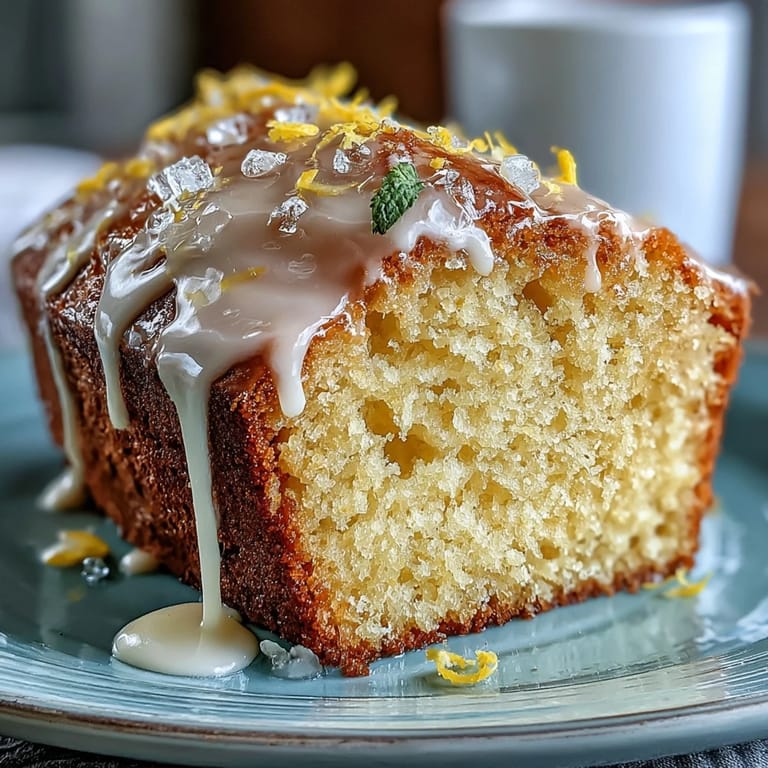
- Drizzle glaze over the cooled cake in a thin, even stream, letting it run down the sides naturally. Let it set for about 30 minutes before slicing so it hardens into a lovely shell.
 Pin Recipe
 One afternoon, my daughter and her friends came home from school, and the smell of this cake pulled them straight to the kitchen like a spell. They sat at the table with warm slices and glasses of milk, and for a moment everything felt perfect and simple—just good cake, young voices, and the kind of everyday joy you don't realize you're building until it's happening.
Why This Cake Stays Moist
The secret is the combination of Limoncello and whole milk, which keeps moisture locked into the crumb long after baking. The alcohol evaporates during baking but the emulsifying fats in whole milk stay behind, creating a tender crumb that actually improves slightly on the second day as the flavors settle and deepen.
Storage and Make-Ahead Tips
This cake keeps beautifully for up to four days wrapped in plastic wrap at room temperature, and it actually tastes better after a day when the lemon flavor has had time to fully distribute. You can bake the cake a day ahead, glaze it the next morning, and it'll still be perfect for an evening gathering.
Variations and Substitutions
For a non-alcoholic version, simply replace the Limoncello with an equal amount of fresh lemon juice plus a pinch of extra vanilla extract to keep the flavor complexity. You can also garnish with candied lemon slices or thin ribbons of candied peel for a showstopper presentation, and serving it with fresh berries or a simple whipped cream makes it feel even more elegant.
- If you can't find Limoncello, use lemon extract diluted in a tiny bit of water, though the flavor won't be quite as sophisticated.
- A splash of Limoncello in the glaze is optional but worth it if you have it on hand—it adds a subtle liqueur undertone that elevates the whole thing.
- For lemon lovers, increase the zest to 1½ tablespoons in the batter and add an extra tablespoon to the glaze for maximum brightness.
 Pin Recipe
 This cake has become my answer when someone asks what to bring or what to bake, because it tastes like springtime in every bite and never fails to make people smile. It's the kind of dessert that reminds you why you love cooking in the first place.
Recipe FAQs
- → How do I substitute Limoncello if avoiding alcohol?
Replace Limoncello with additional fresh lemon juice to maintain citrus brightness while keeping it alcohol-free.
- → What type of pan is best for baking this pound cake?
Use a 10-cup Bundt or standard loaf pan to ensure even baking and proper shape.
- → Can I prepare the lemon glaze ahead of time?
Yes, whisk the glaze ingredients until smooth and refrigerate, then drizzle over cooled cake before serving.
- → What ensures the cake remains moist after baking?
Careful mixing to avoid overworking the batter and proper baking time keep the crumb tender and moist.
- → Any tips for enhancing lemon flavor?
Use freshly grated lemon zest and fresh lemon juice to boost natural citrus aroma and taste.