 Pin Recipe
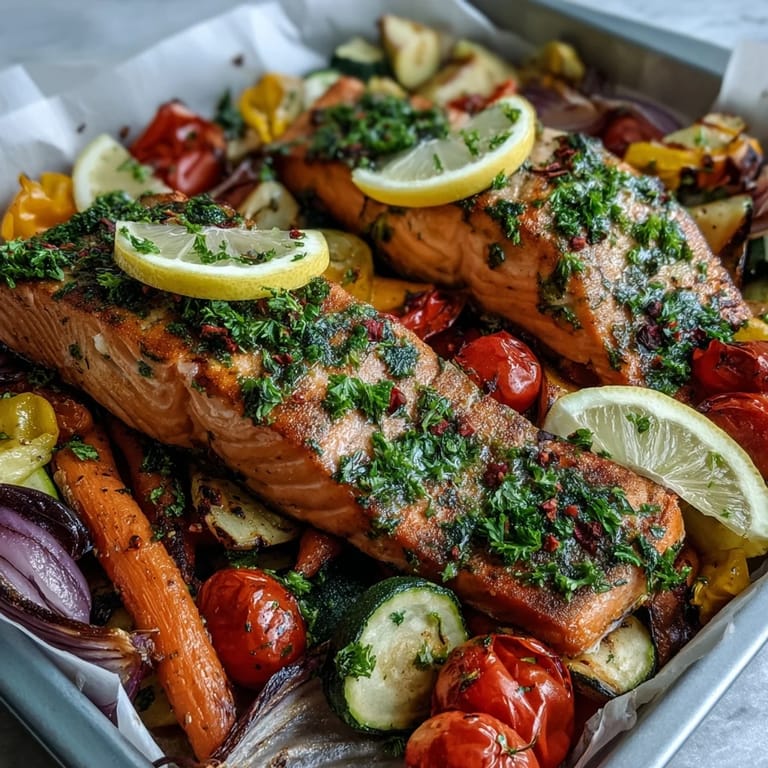
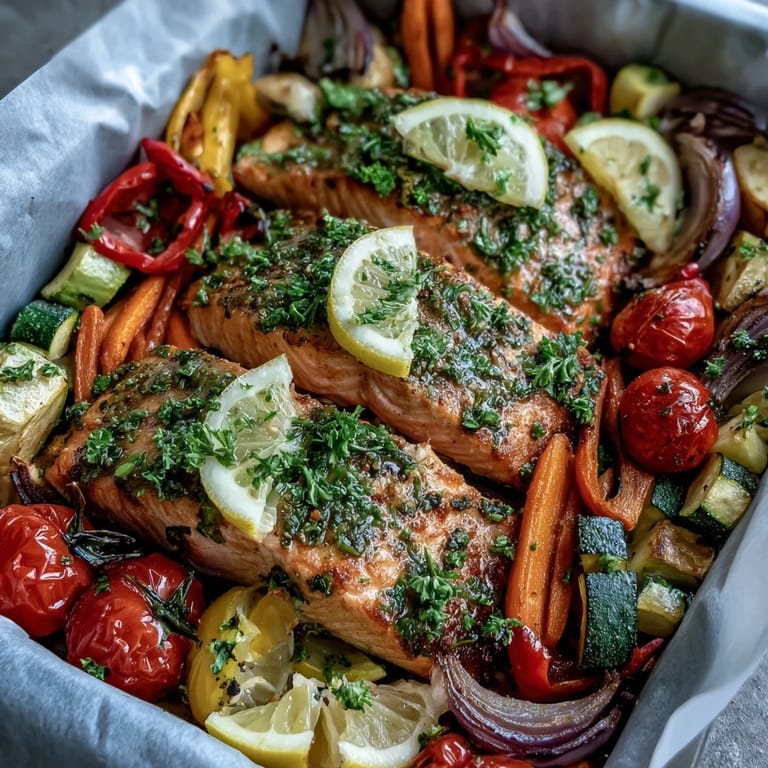
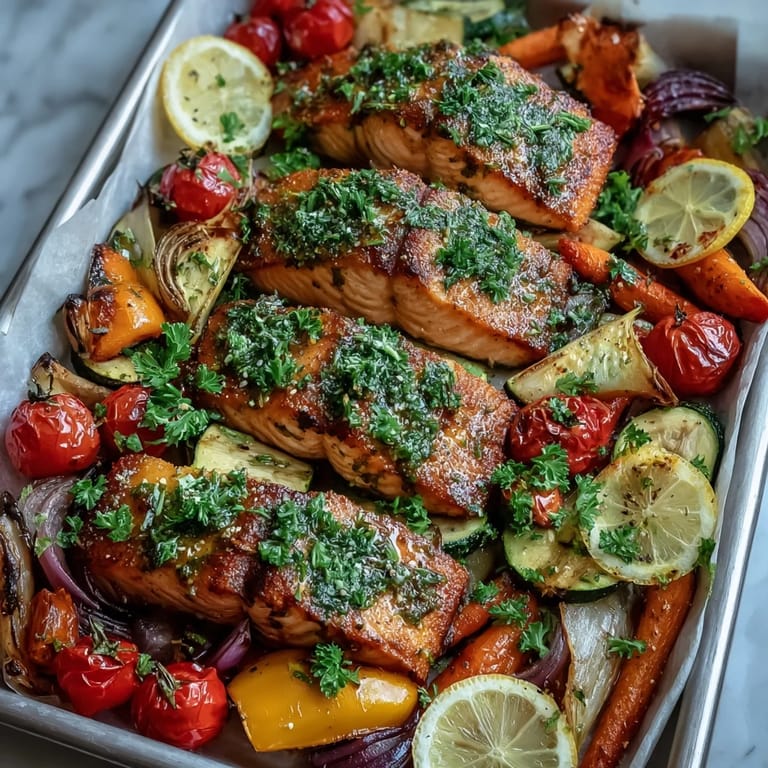
 My weeknight cooking changed completely once I stopped babysitting multiple pots and pans. This sheet pan salmon bowl came together on a Tuesday when I had exactly thirty minutes before a video call, and the smell of roasted peppers and caramelized onions filled my kitchen so fast I almost forgot I was in a hurry. The salmon came out tender, the vegetables perfectly charred at the edges, and I ate it straight from the pan with a squeeze of lemon. It felt like cheating, but in the best way. Now it's my go-to when I want something that tastes like I tried, without actually trying.
I made this for my sister when she visited last spring, and she kept asking what I did to make the salmon taste so bright. All I did was add lemon zest before roasting, something I'd picked up from a cooking show I barely remember. She took a photo of her plate before eating, which never happens. That's when I knew this recipe had something quiet but real going for it.
What's for Dinner Tonight? 🤔
Stop stressing. Get 10 fast recipes that actually work on busy nights.
Free. No spam. Just easy meals.
Ingredients
- Salmon fillets: Look for fillets that are similar in thickness so they cook evenly, and pat them completely dry before seasoning or the oil won't stick.
- Olive oil: Use a good quality one since it's doing most of the flavor work here, both on the fish and vegetables.
- Lemon zest: This is where the brightness comes from, grate it right before using so the oils don't evaporate.
- Red onion: Cut into thick wedges so they hold their shape and get sweet and tender without burning.
- Carrots: Slice them into even rounds so they roast at the same rate as the softer vegetables.
- Bell peppers: Use both red and yellow for color, and slice them into wide strips so they char nicely.
- Zucchini: Cut into half-moons about half an inch thick, any thinner and they turn to mush.
- Cherry tomatoes: Halve them so they release their juices and add a burst of sweetness to the pan.
- Italian herbs: Dried works better here than fresh since they won't burn under high heat.
- Fresh parsley: Chop this at the last second and sprinkle it on right before serving for a pop of color and freshness.
- Lemon wedges: Serve them on the side so everyone can squeeze as much or as little as they want.
Instructions
- Get the oven ready:
- Preheat to 425°F and line your sheet pan with parchment paper so nothing sticks and cleanup stays easy. If you skip this step, you'll be scrubbing caramelized vegetable bits for way too long.
- Toss the vegetables:
- In a big bowl, coat the onion, carrots, peppers, zucchini, and tomatoes with olive oil, herbs, salt, and pepper until everything glistens. Spread them out in a single layer on the pan so they roast instead of steam.
- Start roasting the veggies:
- Slide the pan into the oven and let the vegetables roast alone for 10 minutes. This head start helps the denser vegetables like carrots soften up before the salmon joins them.
- Prep the salmon:
- While the veggies roast, pat the salmon fillets completely dry with paper towels, then brush them with olive oil and sprinkle with lemon zest, salt, and pepper. Dry fish gets a better sear and the seasoning actually sticks.
- Add the salmon to the pan:
- Pull the sheet pan out, push the vegetables aside to create little nests, and nestle the salmon fillets right in among them. The vegetables will keep cooking and the salmon will pick up all those roasted flavors.
- Finish roasting:
- Return the pan to the oven and roast for another 12 to 15 minutes, until the salmon flakes easily with a fork and the vegetables are tender with crispy edges. Don't overcook the salmon or it'll turn dry and chalky.
- Garnish and serve:
- Pull everything out, scatter fresh parsley over the top, and serve with lemon wedges on the side. Squeeze the lemon over your portion right before you dig in.
 Pin Recipe
 There was a night last fall when I made this for myself after a particularly frustrating day, and I remember sitting on my kitchen counter eating it with a fork, still warm from the oven. The sweetness of the roasted peppers and the richness of the salmon felt like a reset button. It wasn't fancy, but it was exactly what I needed, and I realized that's what good food does when you let it.
How to Choose Your Salmon
I always look for fillets that are firm to the touch, bright in color, and smell like the ocean, not fishy. If you can, buy wild-caught salmon for deeper flavor, but farmed works just fine if that's what's available or affordable. Ask the person behind the counter to pick fillets that are similar in size so they cook evenly, and don't be shy about it, they do this all day.
Vegetable Swaps That Work
I've made this with asparagus in spring, sweet potato cubes in winter, and even green beans in summer, and it always turns out. The key is matching cooking times, so if you add something dense like sweet potatoes, cut them small or give them extra time before the salmon goes in. Broccoli florets work beautifully too, just toss them in halfway through the vegetable roasting time so they don't burn.
Storing and Reheating
Leftovers keep in an airtight container in the fridge for up to three days, and I usually eat them cold over greens or reheat gently in a skillet. The microwave works in a pinch, but it can dry out the salmon, so I cover it with a damp paper towel and use half power. You can also flake the leftover salmon into a grain bowl or toss it with pasta for a completely different meal the next day.
- Let everything cool before storing so condensation doesn't make the vegetables soggy.
- Store the lemon wedges separately so the acid doesn't break down the fish overnight.
- Reheat just what you'll eat, the salmon doesn't love being warmed up more than once.
 Pin Recipe
 This recipe has earned its spot in my regular rotation because it's flexible, forgiving, and always delivers. I hope it becomes one of those dishes you make without thinking, the kind that feels like coming home.
Recipe FAQs
- → What temperature should the oven be set to?
Preheat your oven to 425°F (220°C) for optimal roasting of both the salmon and vegetables.
- → Can I use other vegetables?
Absolutely. Try swapping in seasonal options like asparagus, broccoli, sweet potatoes, or green beans based on your preference.
- → How do I know when the salmon is done?
The salmon is cooked through when it flakes easily with a fork and reaches an internal temperature of 145°F (63°C).
- → Can I use frozen salmon fillets?
Yes, just thaw them completely first and pat dry before seasoning to ensure proper cooking and browning.
- → What can I serve with this bowl?
Enjoy as is for a complete meal, or pair with quinoa, brown rice, or a fresh green salad. A light white wine like Sauvignon Blanc complements beautifully.